
Discover Sacred Journeys & Divine Stories
Explore temples, pilgrimages, and spiritual stories from Mathura, Vrindavan, Ayodhya and across India. Plan your divine journey with our expert guides.
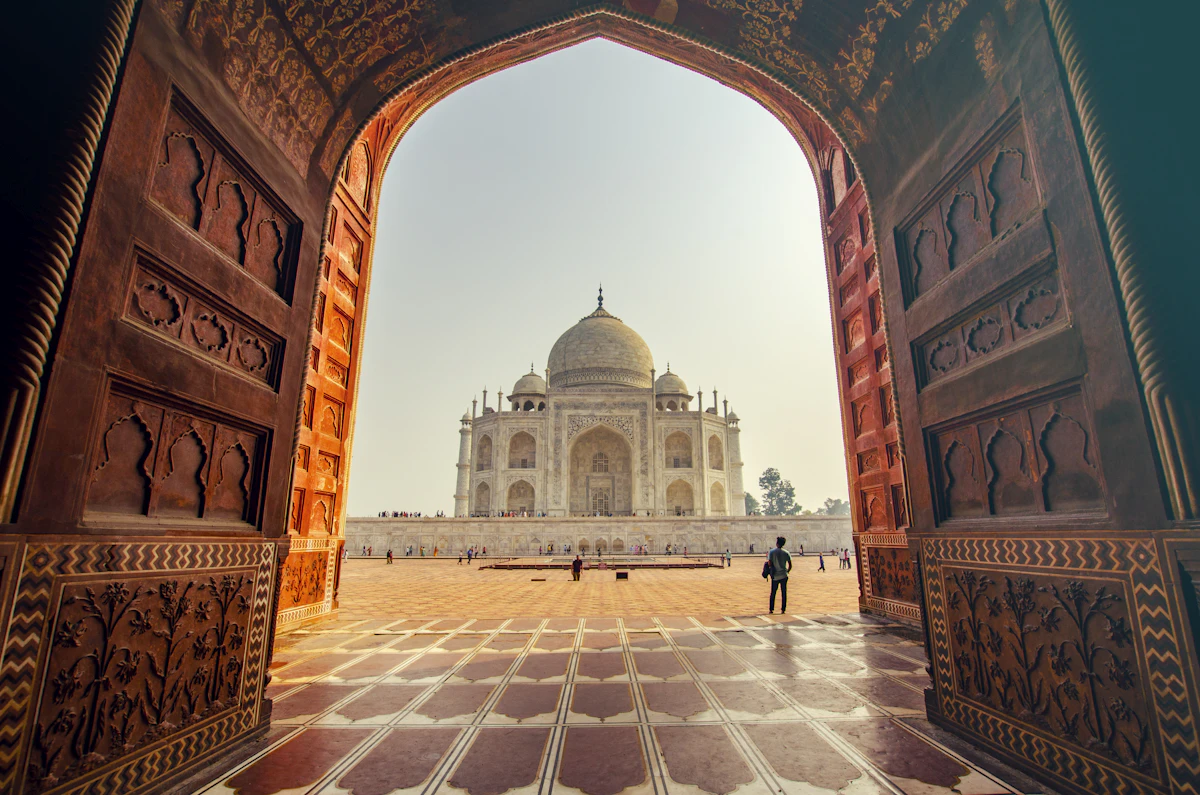
Plan Your Visit
Plan Your Spiritual Journey Today
Get personalized travel guidance, hotel bookings, taxi services, and temple darshan assistance — all in one place.
Latest Blogs
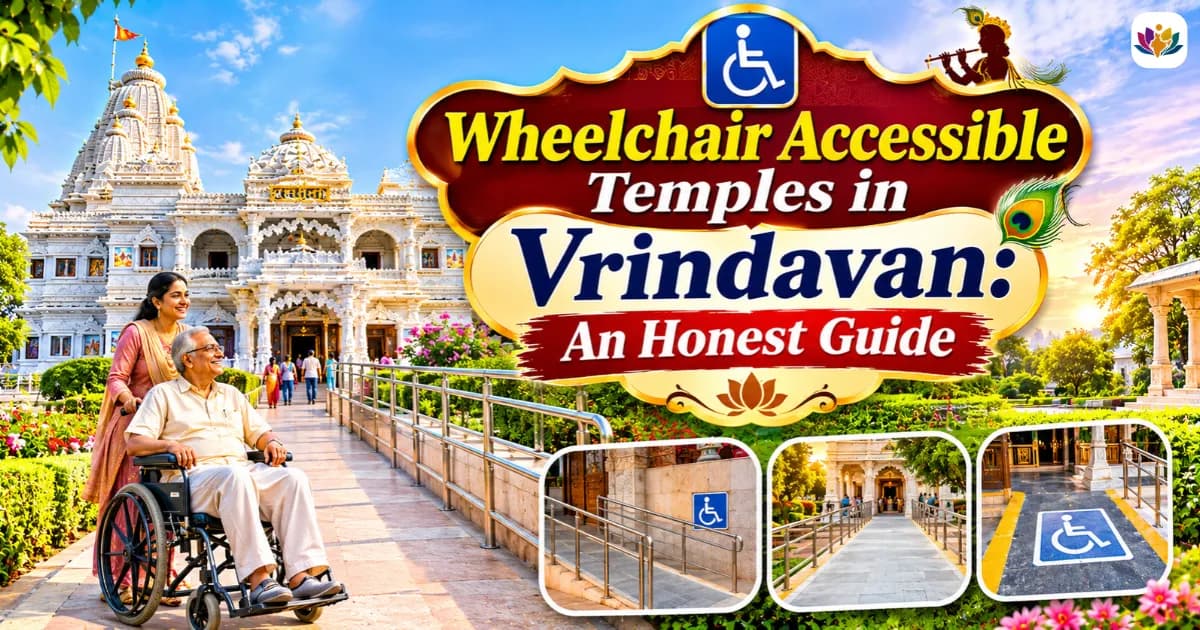
Wheelchair Accessible Temples in Vrindavan: An Honest Guide
The most wheelchair-accessible temples in Vrindavan are the large modern ones, Prem Mandir, ISKCON Vrindavan and the Chandrodaya Mandir, with their wide paved campuses, ramps in many areas and parking close by. The old-town temples, above all Banke Bihari, are difficult, with narrow crowded lanes, steps and no vehicle access to the door, so they need helpers and patience. Barsana's hilltop Radha R...
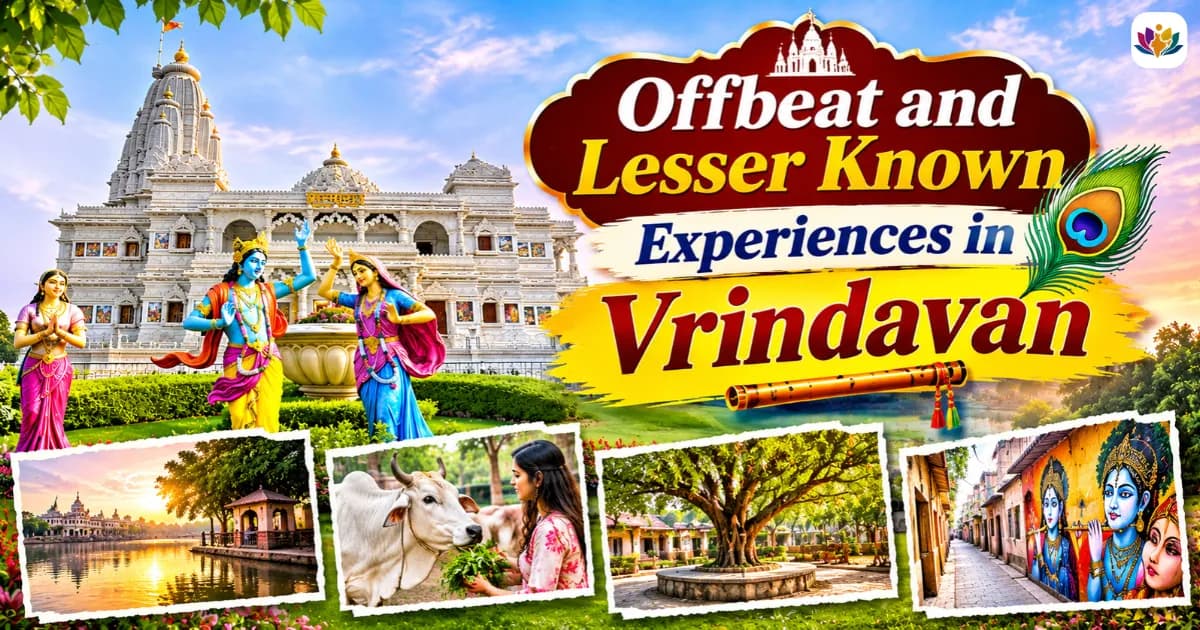
Offbeat and Lesser Known Experiences in Vrindavan
Beyond the famous temples, Vrindavan's offbeat experiences include the dawn aarti and quiet of the Yamuna ghats, the ancient Goswami temples of Radha Raman, Radha Damodar, Radha Vallabh and Madan Mohan, the timeless bhajan of old ashrams like Tatiya Sthan, the mysterious grove of Nidhivan at closing, the Yamuna leela spots such as Kesi Ghat and Cheer Ghat, traditional Braj samaj gayan singing, gau...
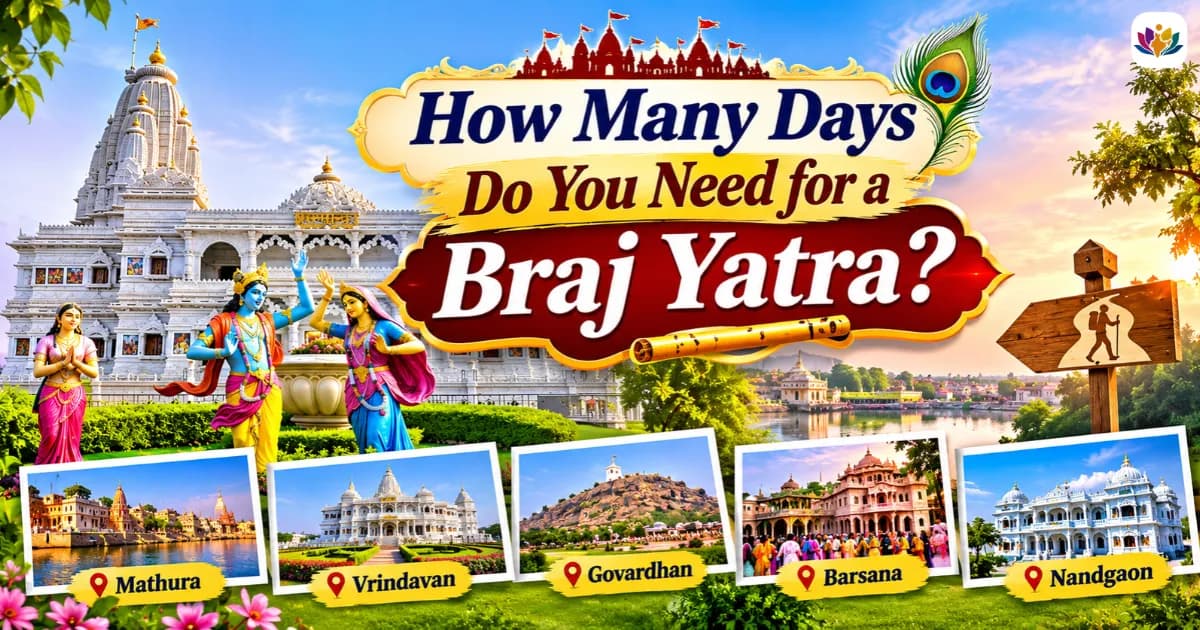
How Many Days Do You Need for a Braj Yatra?
For a proper Braj yatra, plan about three days. One day covers only the main temples of Vrindavan town. Two days add Mathura, with Krishna Janmabhoomi, Dwarkadhish and Gokul. Three days lets you add Govardhan, Barsana and Nandgaon, the core dhams of Braj, at a comfortable pace. Four to five days gives you a relaxed, unhurried pilgrimage with time for the aartis, the parikramas and the quieter vill...
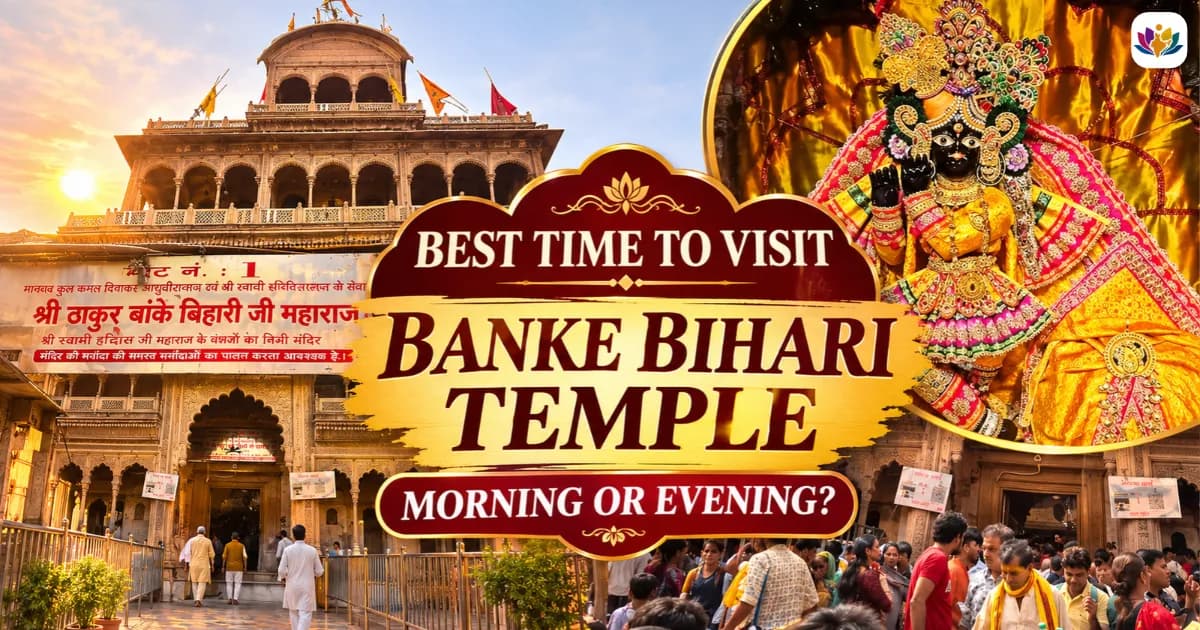
Best Time of Day to Visit Banke Bihari Temple
The best time of day to visit Banke Bihari temple is early in the morning, right at opening, when the darshan is calmest and most peaceful. The evening session is the most atmospheric, with the lively aarti, but also the most crowded. The temple closes in the afternoon between its morning and evening sessions and the exact opening hours shift between summer and winter, opening earlier in summer an...
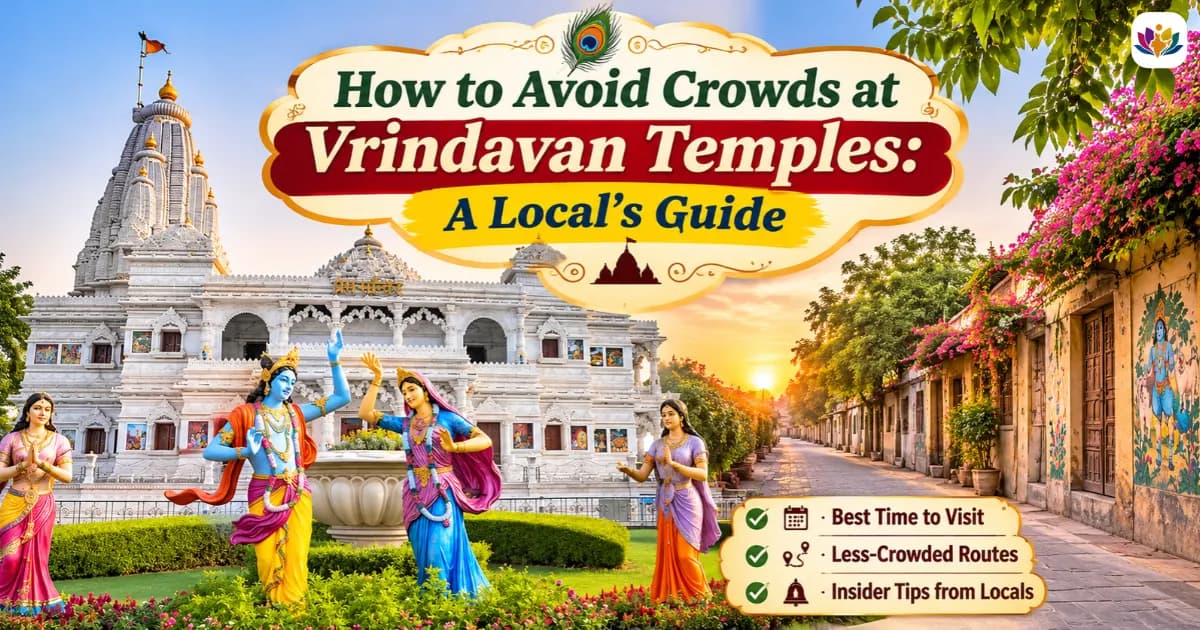
How to Avoid Crowds at Vrindavan Temples: A Local's Guide
To avoid crowds at Vrindavan temples, visit on a weekday (Monday to Thursday), arrive early for the morning darshan before 9 to 10 AM and avoid festivals, Ekadashi, weekends and public holidays, which are the busiest. Banke Bihari is the most crowded temple, so go right at opening; calmer temples like ISKCON, Prem Mandir, Radha Raman and Govind Dev Ji can be enjoyed more peacefully through the day...
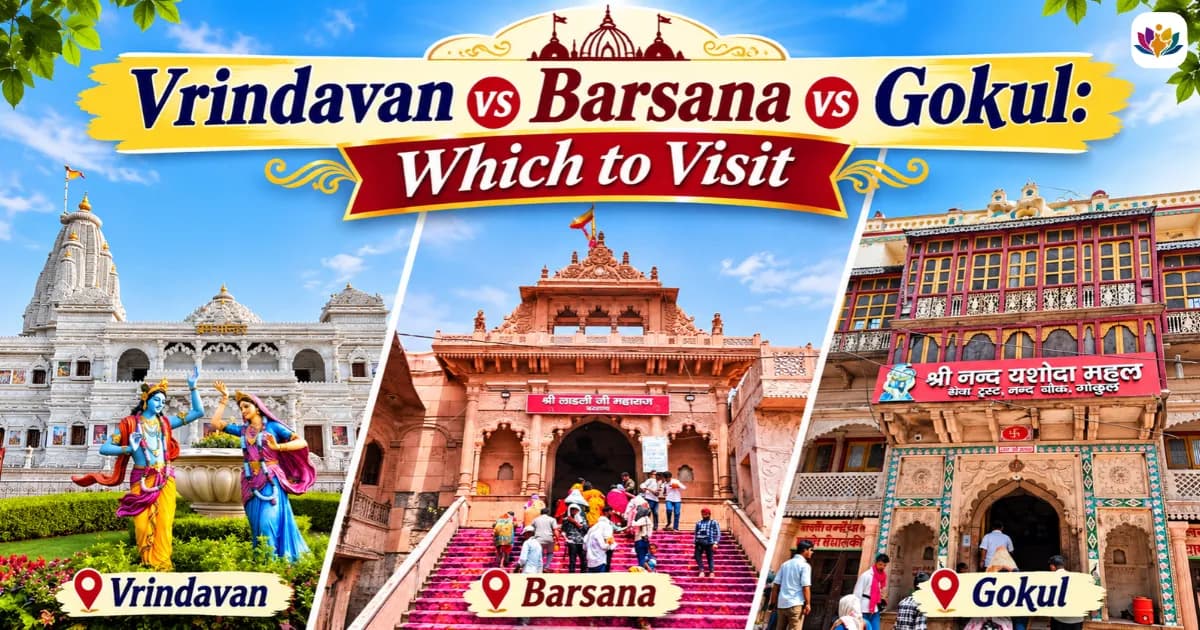
Vrindavan vs Barsana vs Gokul: Which to Visit
Vrindavan is the place of Krishna's youth and the main temple town, with the most famous temples and the easiest access; everyone should see it. Barsana is Radha Rani's village, a hilltop shrine famous for Lathmar Holi, about 45 km from Vrindavan and involving a climb, best for Radha devotees and those with a little more time. Gokul, with nearby Mahavan, is where baby Krishna was raised, a quieter...
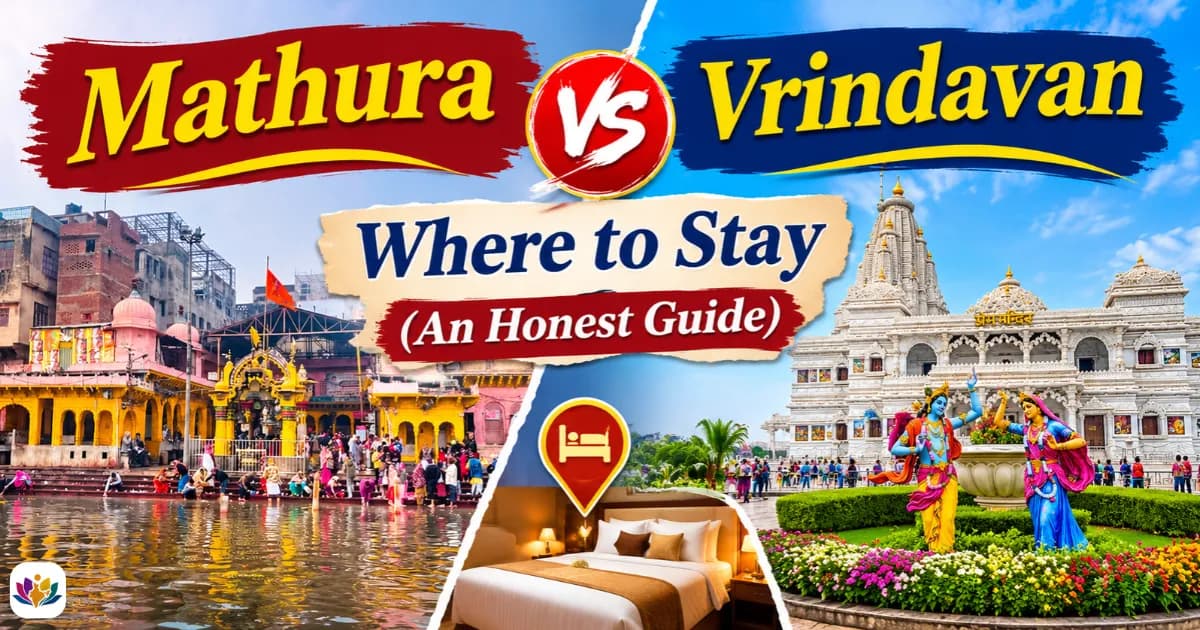
Mathura vs Vrindavan: Where to Stay (An Honest Guide)
For most pilgrims, stay in Vrindavan. The majority of the famous temples, Banke Bihari, Prem Mandir, ISKCON and Nidhivan, are here, the atmosphere is more devotional and peaceful and there is more good accommodation, from ashrams to comfortable hotels. Stay in Mathura instead if your focus is the Krishna Janmabhoomi and Dwarkadhish temples, if you are arriving late by train (Mathura Junction is th...
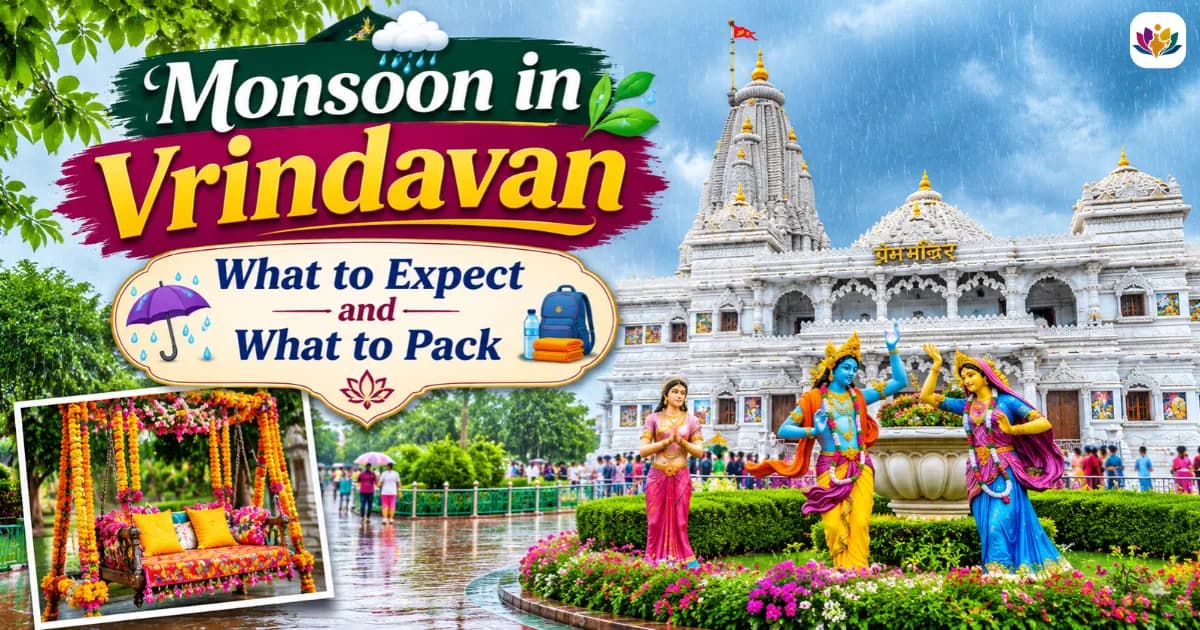
Monsoon in Vrindavan: What to Expect and What to Pack
Monsoon in Vrindavan runs roughly from July to September. Expect warm, humid days with heavy showers, a beautifully green and rain-washed Braj and the lanes turning muddy and slippery in downpours. It is the sacred Sawan season of Jhulan, when the temples display gorgeous decorated swings and it builds to Krishna Janmashtami in August, the biggest and most crowded festival of all. Crowds are other...
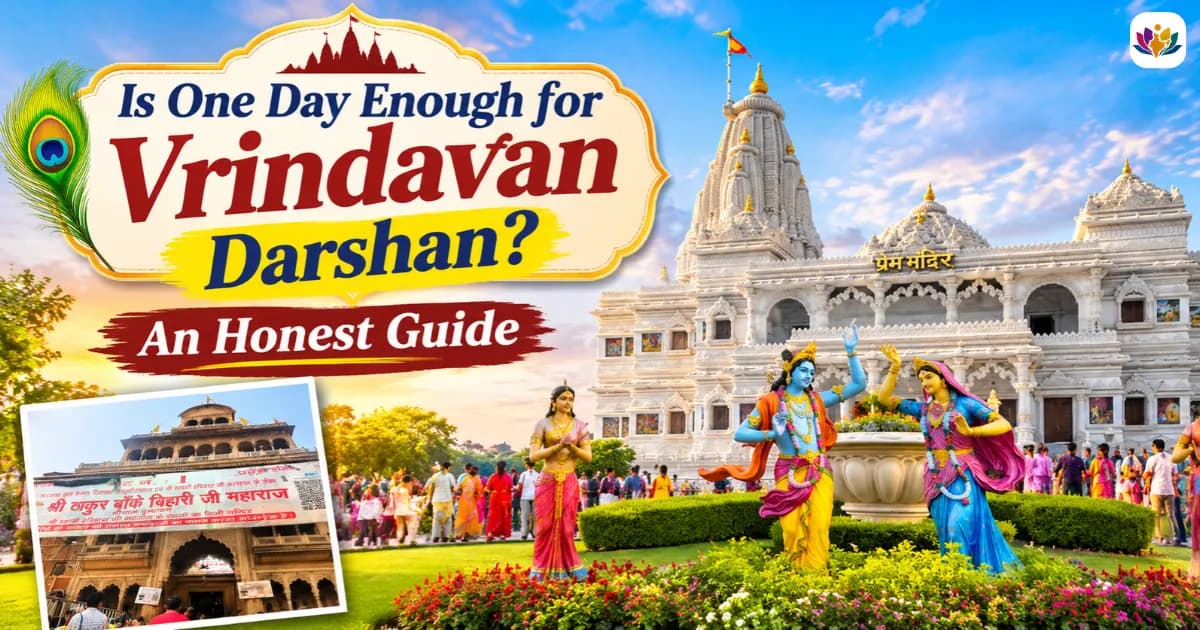
Is One Day Enough for Vrindavan Darshan? An Honest Guide
Yes, one day is enough to cover the main temples of Vrindavan town, such as Banke Bihari, Prem Mandir, ISKCON and Nidhivan, if you start early (by 7 to 8 AM), travel by car and accept a brisk pace. It is not enough if you also want to see Mathura (Krishna Janmabhoomi, Dwarkadhish), Govardhan, Barsana or Gokul or if you want a relaxed darshan with time for the aartis; for that you need two to three...
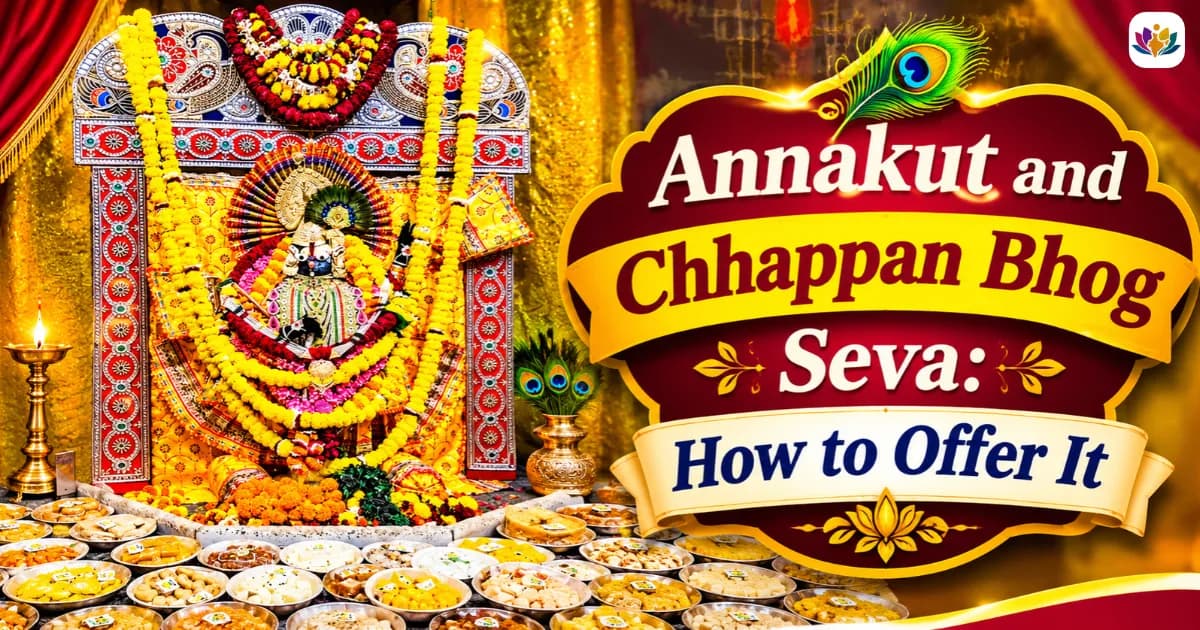
Annakut and Chhappan Bhog Seva: How to Offer It
Annakut means a mountain of food, offered to Krishna as Giriraj Govardhan on Govardhan Puja, the day after Diwali, in gratitude for his lifting of Govardhan hill. Chhappan Bhog is the offering of fifty-six dishes to the deity, from the story that Krishna went without food for seven days while holding up the hill, so devotees offer the 56 meals he missed. To offer either, you coordinate with a temp...
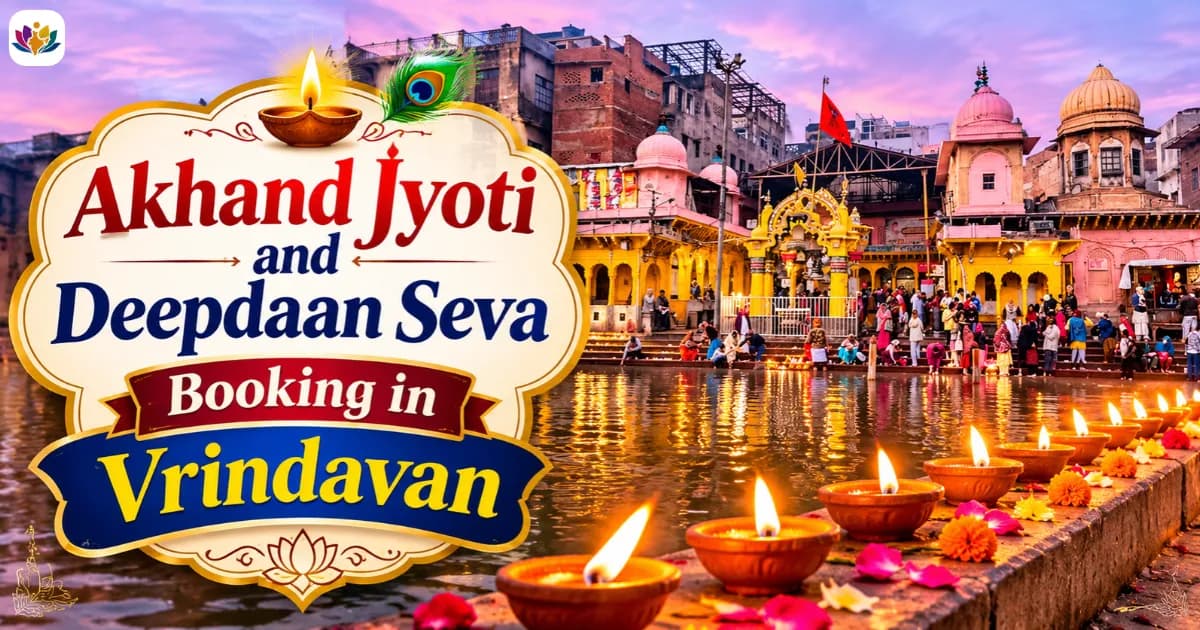
Akhand Jyoti and Deepdaan Seva Booking in Vrindavan
Akhand Jyoti is an eternal, unbroken flame sponsored in your name at a temple, kept continuously lit for a chosen period or occasion, for which you fund the ghee or oil. Deepdaan is the offering of lamps, most powerfully performed in the month of Kartik by floating or placing lit diyas at the Yamuna ghats and temples. You can book an Akhand Jyoti by coordinating with a temple office or its sevayat...
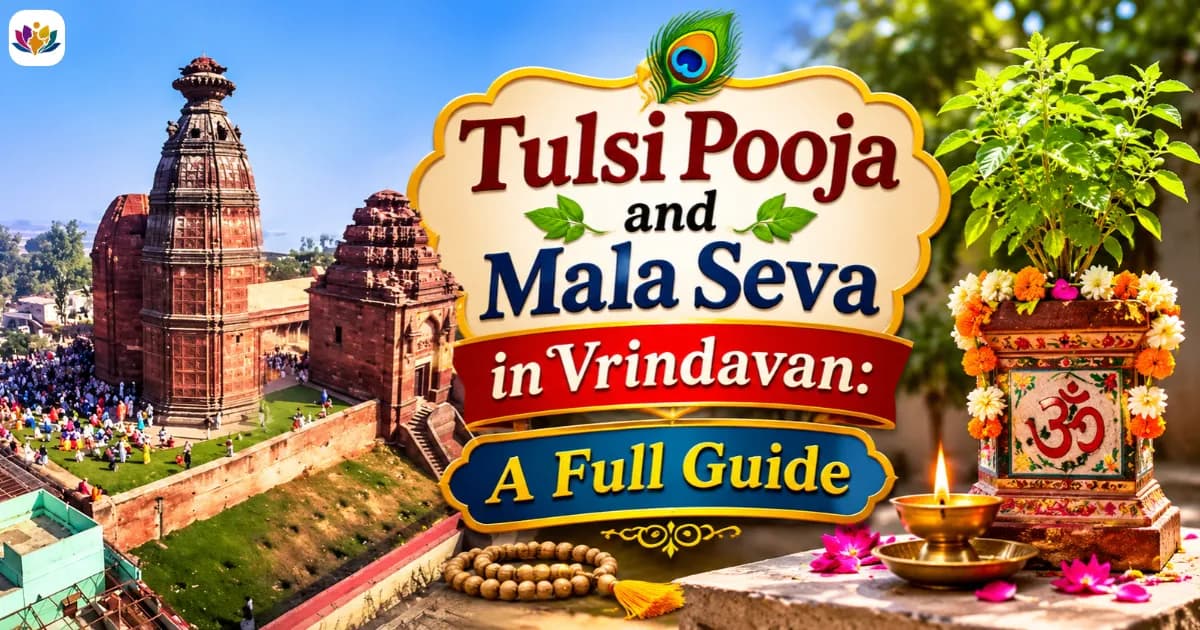
Tulsi Pooja and Mala Seva in Vrindavan: A Full Guide
Tulsi Pooja is the worship of the sacred Tulsi plant, revered as Tulsi Devi or Vrinda Devi, the plant most dear to Lord Krishna, after whom Vrindavan itself is named. It is offered daily by watering the plant, lighting a lamp, circumambulating it and offering a tulsi leaf to the deity and is celebrated grandly at Tulsi Vivah in the month of Kartik. Mala Seva has two loving senses: offering fresh f...
Planning a Vrindavan Tour?
Experience My India includes Keshi Ghat sunrise, Yamuna Aarti, guided darshan and all local experiences in every package.
Packages from ₹4,999 per person · AC cab, hotel, guide included
Best Mathura Vrindavan Tour Packages
Discover the most loved spiritual journeys
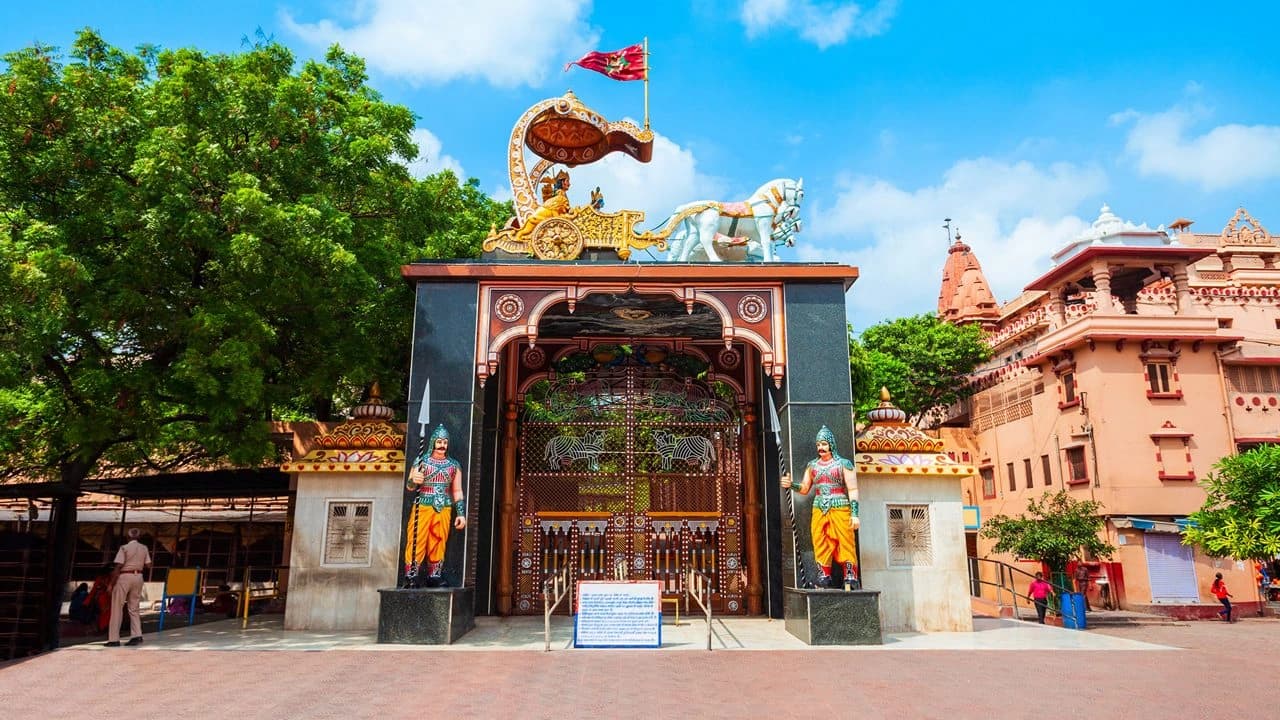
2 Days Agra Mathura Vrindavan Tour Package
3 Days Mathura Vrindavan Tour Package from Hyderabad
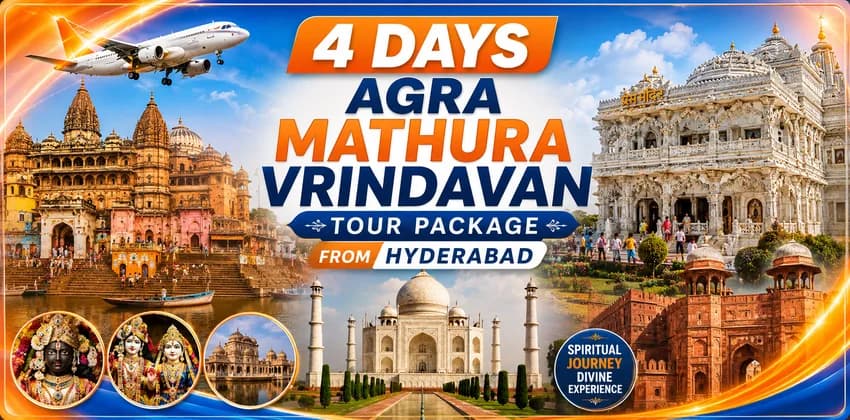
4 Days Agra Mathura Vrindavan Tour Package from Hyderabad
2 Days Agra Mathura Vrindavan Tour Package
3 Days Mathura Vrindavan Tour Package from Hyderabad