
Discover Sacred Journeys & Divine Stories
Explore temples, pilgrimages, and spiritual stories from Mathura, Vrindavan, Ayodhya and across India. Plan your divine journey with our expert guides.
Plan Your Visit
Plan Your Spiritual Journey Today
Get personalized travel guidance, hotel bookings, taxi services, and temple darshan assistance — all in one place.
Latest Blogs
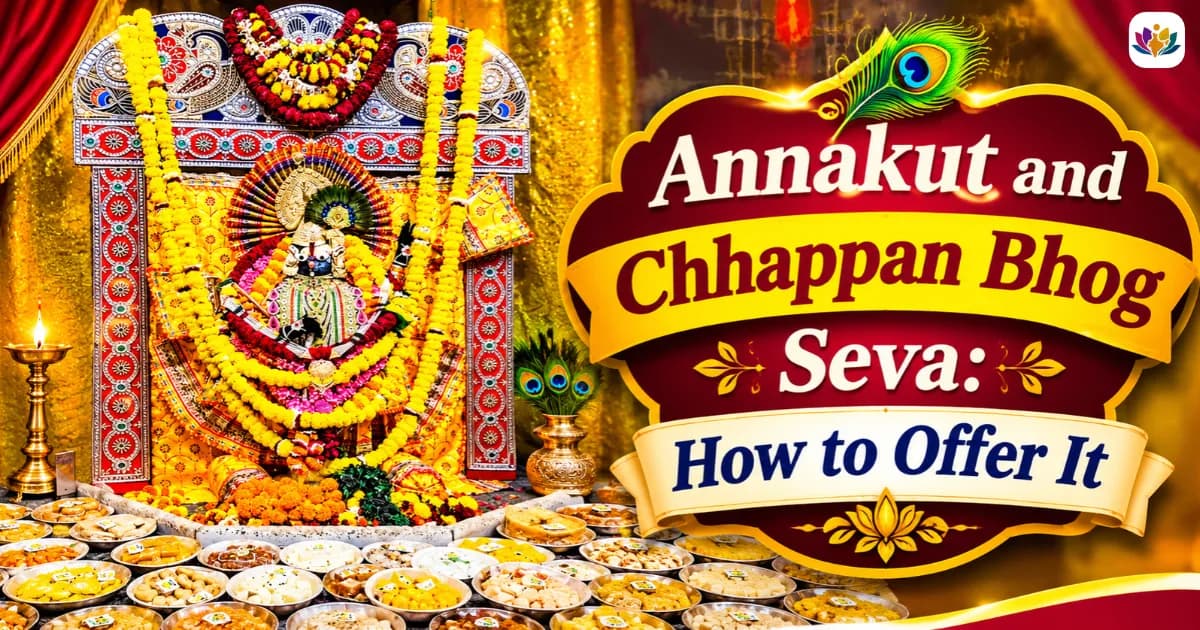
Annakut and Chhappan Bhog Seva: How to Offer It
Annakut means a mountain of food, offered to Krishna as Giriraj Govardhan on Govardhan Puja, the day after Diwali, in gratitude for his lifting of Govardhan hill. Chhappan Bhog is the offering of fifty-six dishes to the deity, from the story that Krishna went without food for seven days while holding up the hill, so devotees offer the 56 meals he missed. To offer either, you coordinate with a temp...
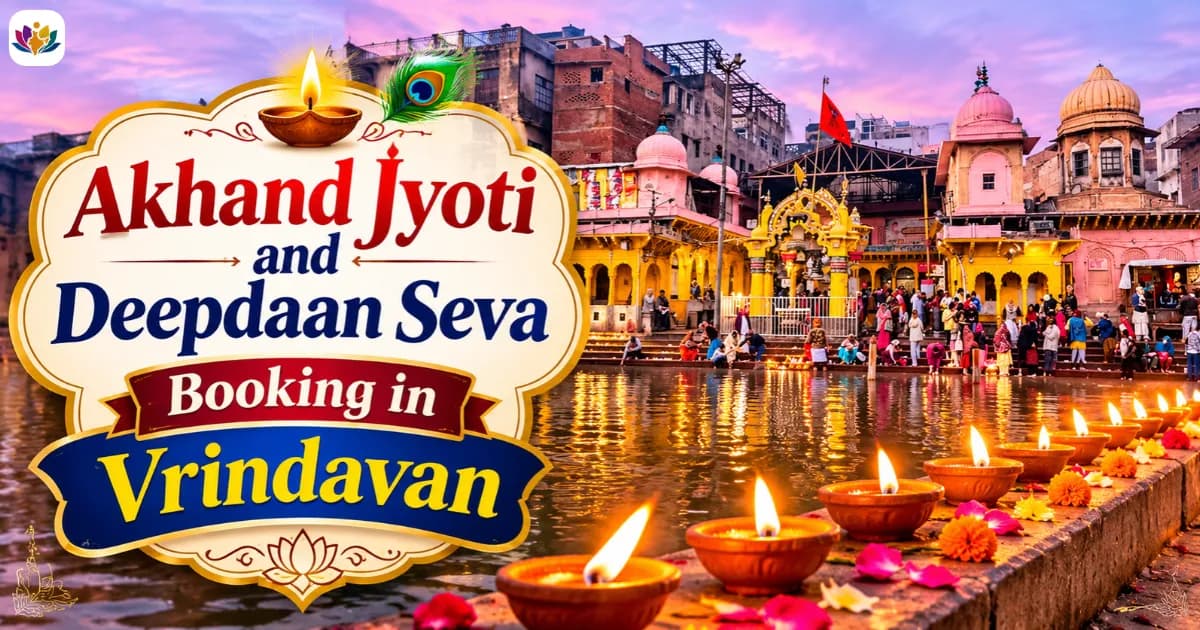
Akhand Jyoti and Deepdaan Seva Booking in Vrindavan
Akhand Jyoti is an eternal, unbroken flame sponsored in your name at a temple, kept continuously lit for a chosen period or occasion, for which you fund the ghee or oil. Deepdaan is the offering of lamps, most powerfully performed in the month of Kartik by floating or placing lit diyas at the Yamuna ghats and temples. You can book an Akhand Jyoti by coordinating with a temple office or its sevayat...
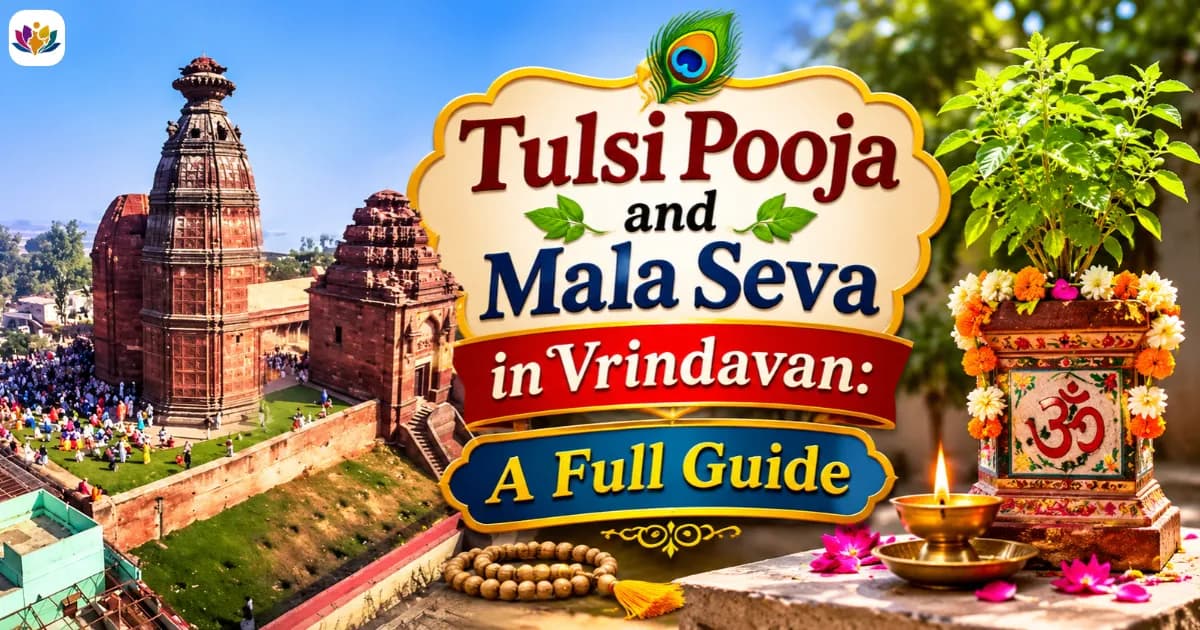
Tulsi Pooja and Mala Seva in Vrindavan: A Full Guide
Tulsi Pooja is the worship of the sacred Tulsi plant, revered as Tulsi Devi or Vrinda Devi, the plant most dear to Lord Krishna, after whom Vrindavan itself is named. It is offered daily by watering the plant, lighting a lamp, circumambulating it and offering a tulsi leaf to the deity and is celebrated grandly at Tulsi Vivah in the month of Kartik. Mala Seva has two loving senses: offering fresh f...
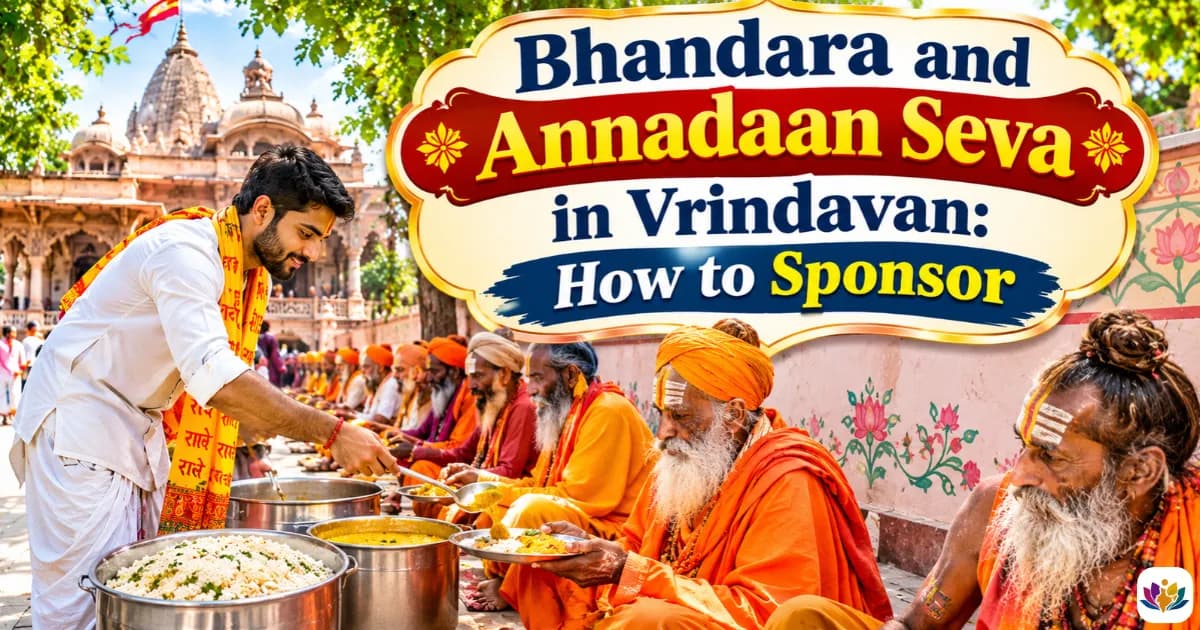
Bhandara and Annadaan Seva in Vrindavan: How to Sponsor
To sponsor a Bhandara, Annadaan or Sadhu Seva in Vrindavan is to fund fresh, hot sattvic prasadam and often clothing, medical aid or cash dakshina, for the town's sadhus. You can arrange it in person or remotely through three kinds of channel: large temples and ashrams that run daily feeding programmes, registered welfare trusts that care for elderly ascetics and online seva platforms for remote d...
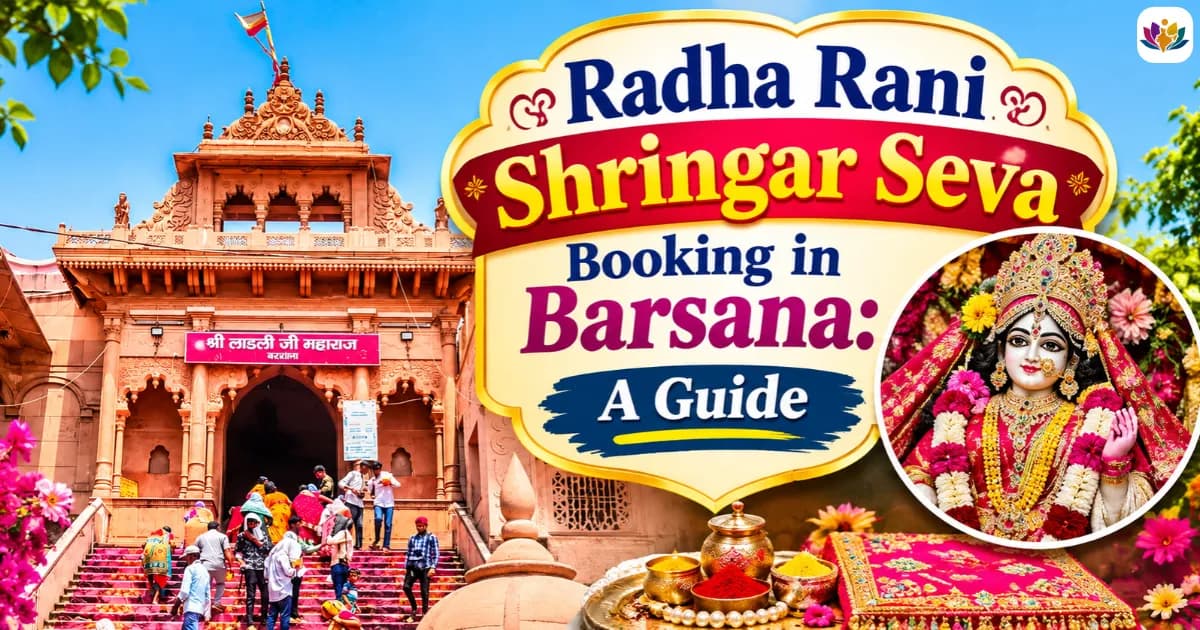
Radha Rani Shringar Seva Booking in Barsana: A Guide
You can book a Shringar Seva for Shri Radha Rani at the Shriji (Radha Rani) Temple in Barsana through online seva portals and local temple coordinators, by direct WhatsApp coordination or in person at the temple office with the sevayats. Costs generally start around ₹3,100 for a basic shringar and rise with the offering, up to grand phool bangla and chhappan bhog sevas offered as per your devotion...
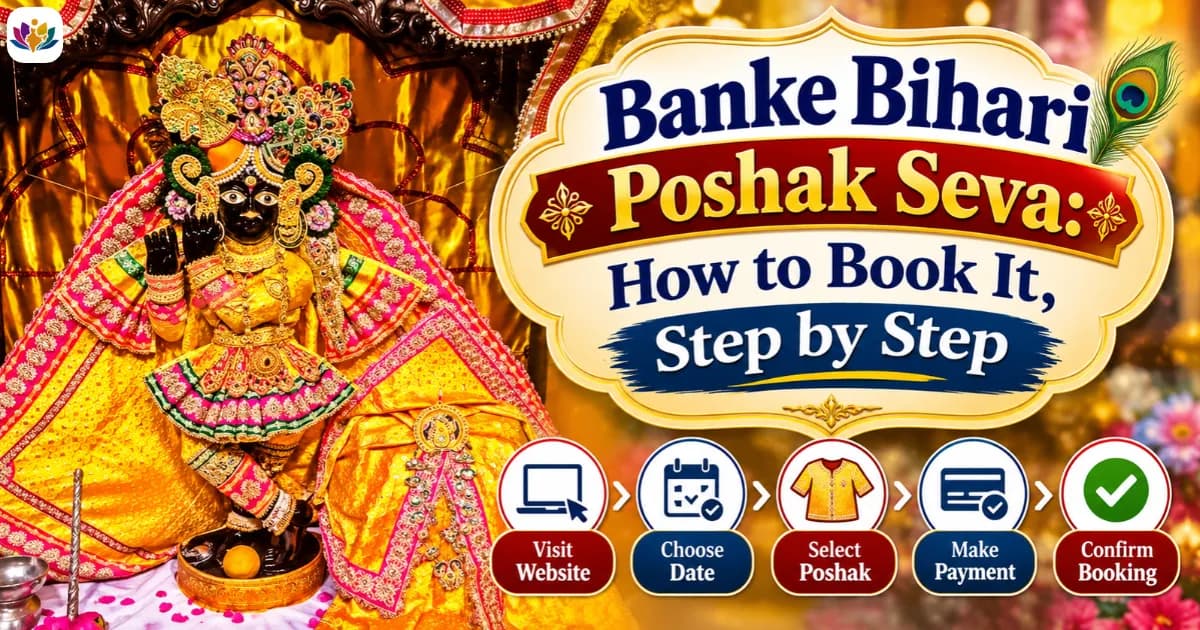
Banke Bihari Poshak Seva: How to Book It, Step by Step
To book a Poshak Seva at the Shri Banke Bihari Mandir, you coordinate directly with the temple's hereditary priests (sevayats) or the temple office, because there is no centralized automated online portal for personalized daily poshak slots. The steps are: contact the sevayats or temple office (near Gate No. 3 by the Post Office), choose an auspicious date such as a birthday, anniversary or festiv...
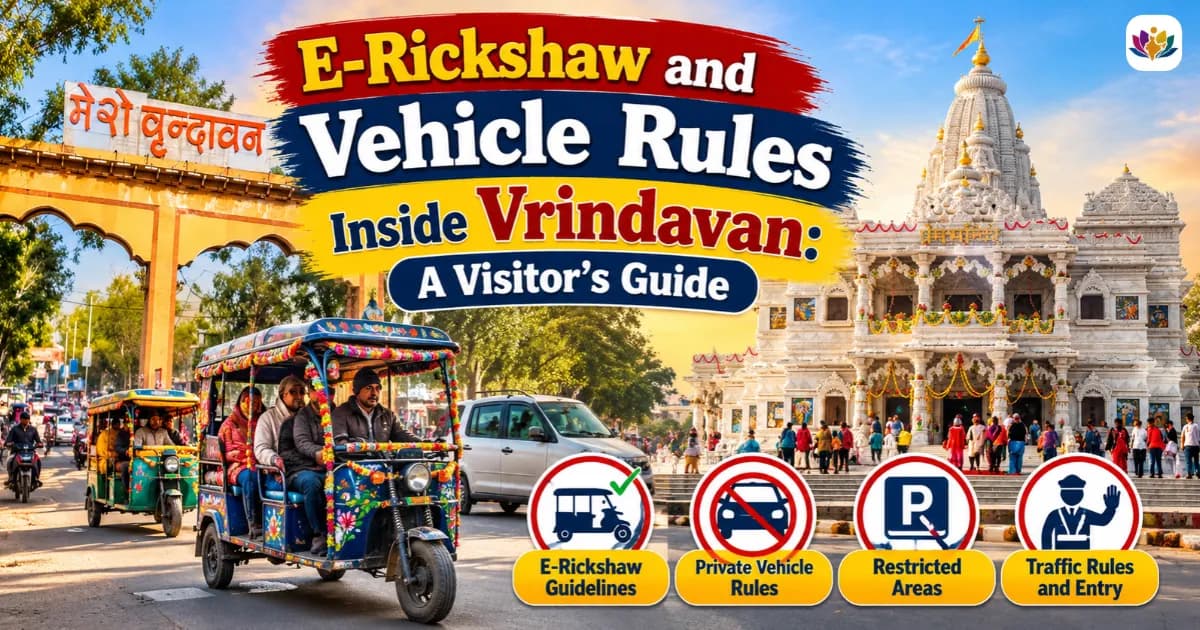
E-Rickshaw and Vehicle Rules Inside Vrindavan: A Visitor's Guide
Inside Vrindavan, large vehicles are restricted. Cars and buses are not allowed on the Parikrama Marg or in the narrow inner lanes around Banke Bihari Temple and Loi Bazar; you park on the outer roads and continue by e-rickshaw or on foot. E-rickshaws are the main local transport, costing roughly ₹10 to ₹30 per person for a shared short hop or about ₹50 to ₹150 reserved and even they drop you a s...

Vrindavan Winter Trip: What to Pack and What to Expect
A Vrindavan winter trip (roughly November to February) means pleasant, sunny days ideal for sightseeing and cold mornings and evenings, with December and January the coldest and often foggy. Temple timings shift a little later in winter, opening later in the morning and closing earlier in the evening. Pack warm layers (a sweater and a light jacket), a shawl that also covers your shoulders in templ...
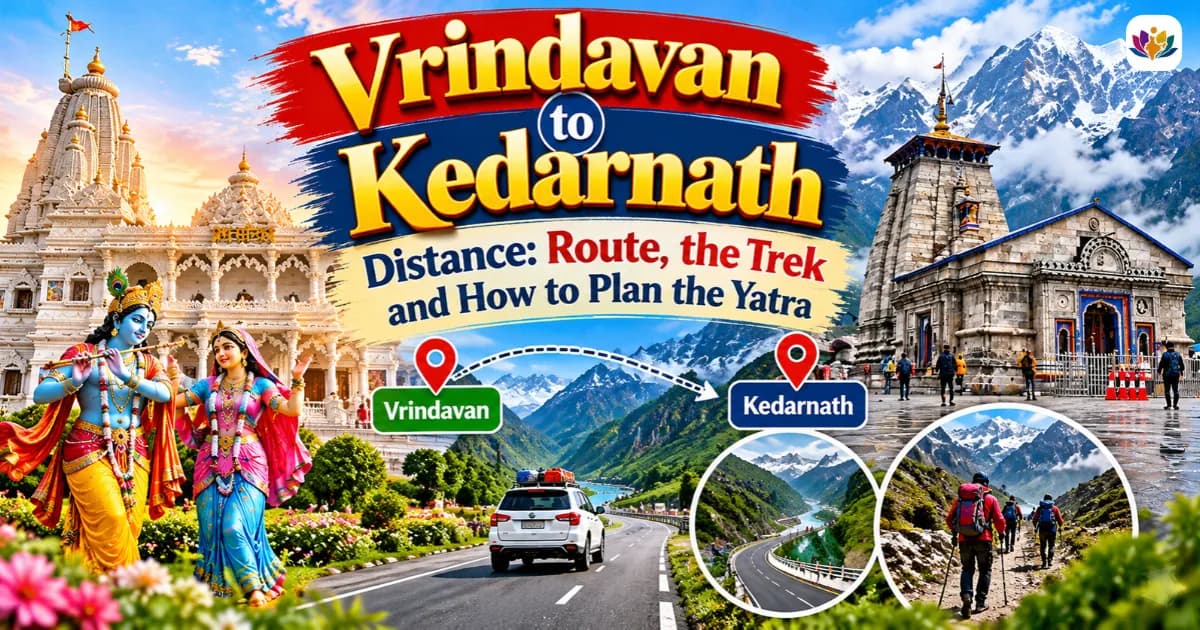
Vrindavan to Kedarnath Distance: Route, the Trek and How to Plan the Yatra
The road distance from Vrindavan to Gaurikund, the last motorable point for Kedarnath, is about 579 to 582 km (the aerial distance is roughly 378 km). By car it takes about 11 to 14 hours via Haridwar and Rishikesh; buses take around 12 to 13 hours. The fastest way is to fly: travel to Delhi, take a flight to Dehradun (Jolly Grant) airport and continue by road. Vehicles go only as far as Gaurikund...
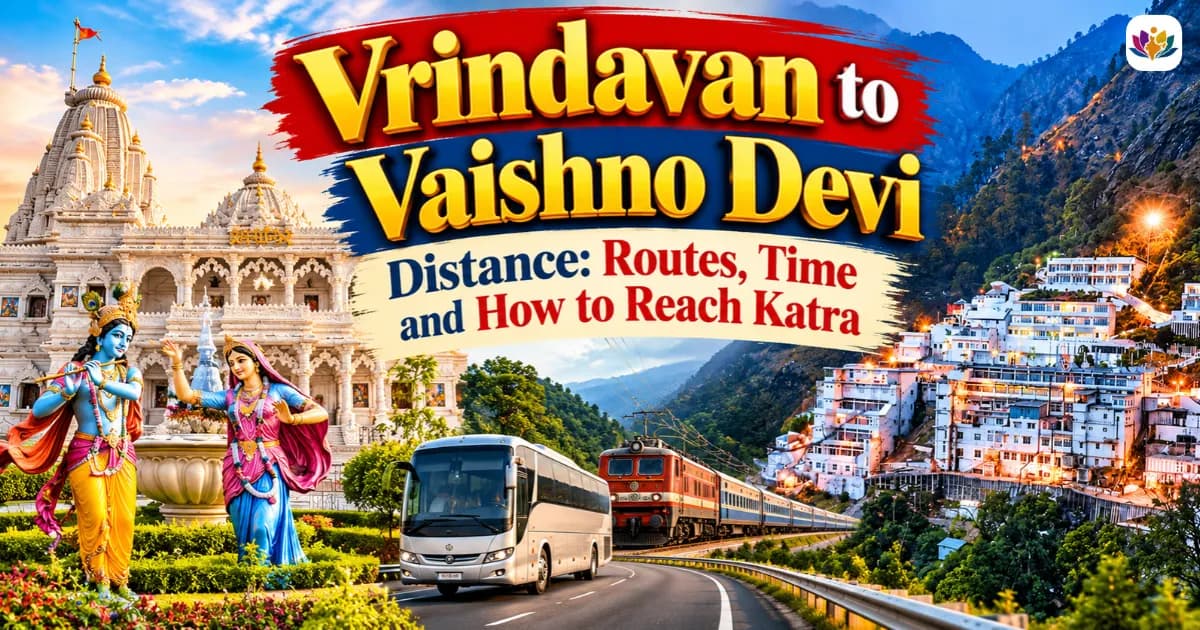
Vrindavan to Vaishno Devi Distance: Routes, Time and How to Reach Katra
The distance from Vrindavan to Vaishno Devi is about 777 km and driving takes roughly 14 hours by the fastest current route via NE 5 and NH 44, to Katra, the base town for the yatra. Because that is a long overnight drive, many pilgrims prefer the train to Shri Mata Vaishno Devi Katra station or a flight to Jammu (about 50 km from Katra). From Katra, the holy bhawan is a trek of about 12 to 13 km ...
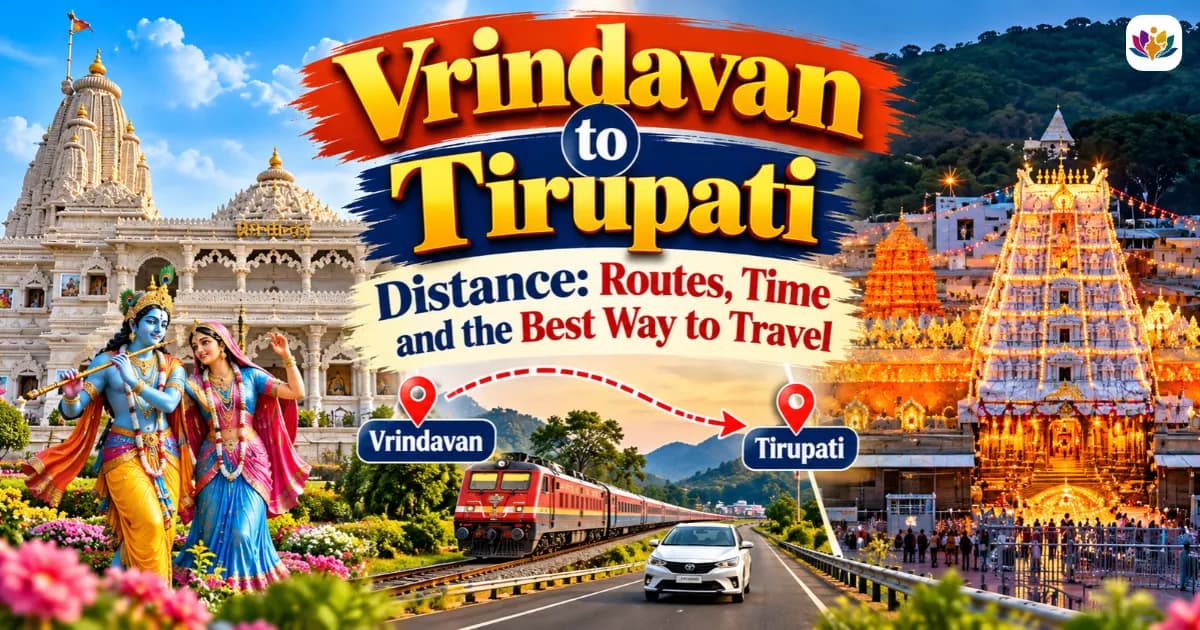
Vrindavan to Tirupati Distance: Routes, Time and the Best Way to Travel
The distance from Vrindavan to Tirupati is about 2,000 km and driving takes roughly 37 hours by the fastest current route via NH 44, which avoids road closures. Because that is a long two to three day drive, the great majority of pilgrims travel by flight or train. Tirupati has its own airport (at Renigunta, about 15 km from the town) and a major railway station and the Tirumala temple sits on the...
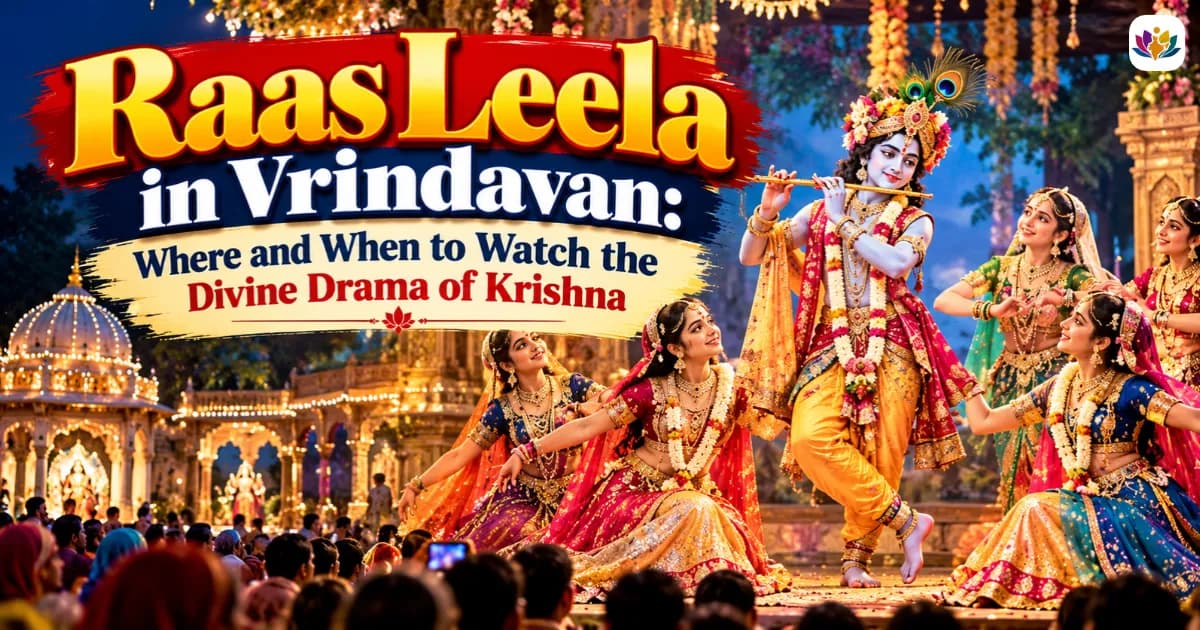
Raas Leela in Vrindavan: Where and When to Watch the Divine Drama of Krishna
The Raas Leela is performed at many temples, ashrams and cultural stages across Vrindavan and the single best season to watch it is the month of Kartik (around October to November), when Raslila troupes (mandalis) perform all over town, building to Sharad Purnima, the full-moon night that commemorates Krishna's original Maha Raas. It is also staged grandly around Janmashtami. Large temples such as...
Planning a Vrindavan Tour?
Experience My India includes Keshi Ghat sunrise, Yamuna Aarti, guided darshan and all local experiences in every package.
Packages from ₹4,999 per person · AC cab, hotel, guide included
Best Mathura Vrindavan Tour Packages
Discover the most loved spiritual journeys
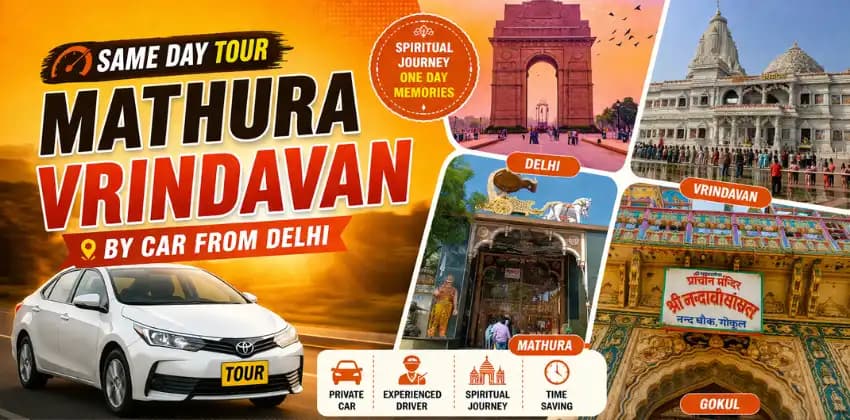
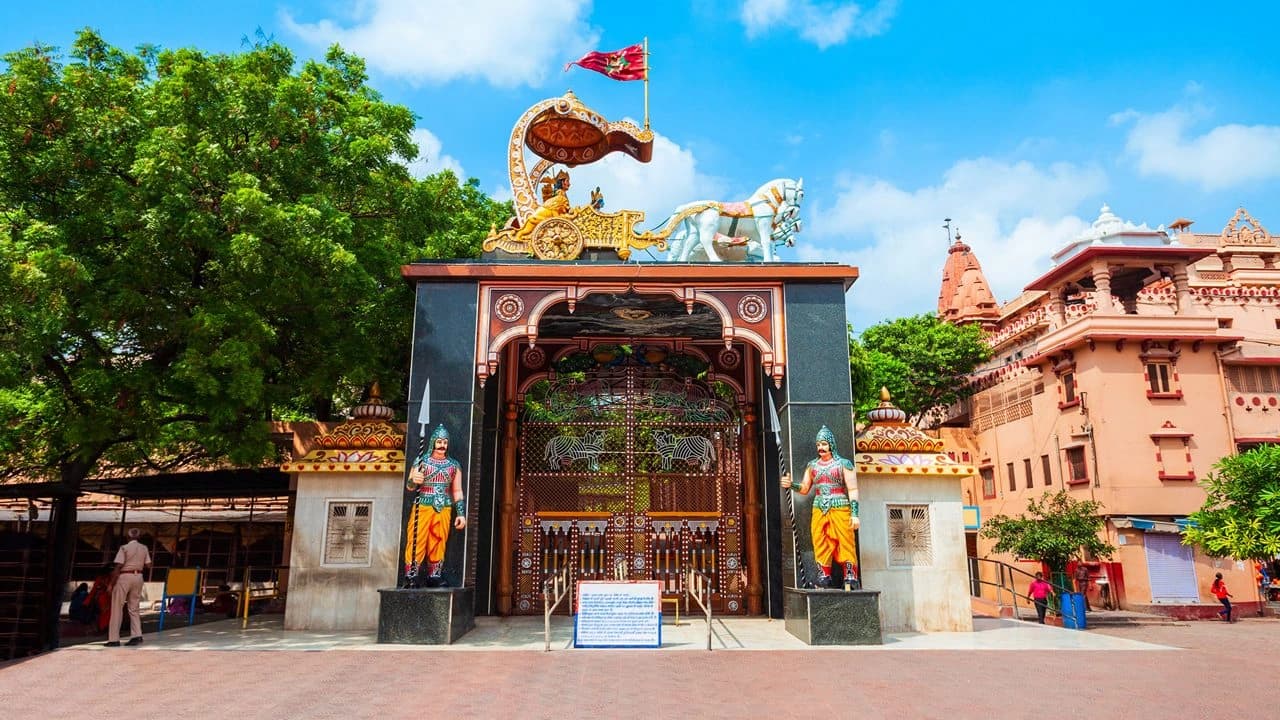
2 Days Agra Mathura Vrindavan Tour Package
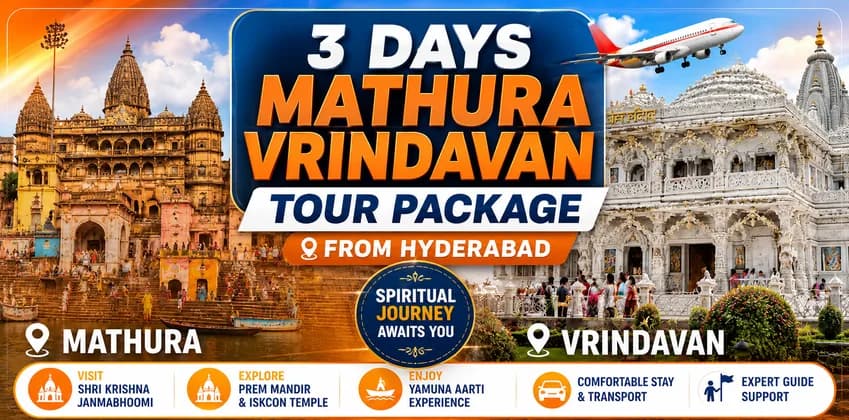
3 Days Mathura Vrindavan Tour Package from Hyderabad
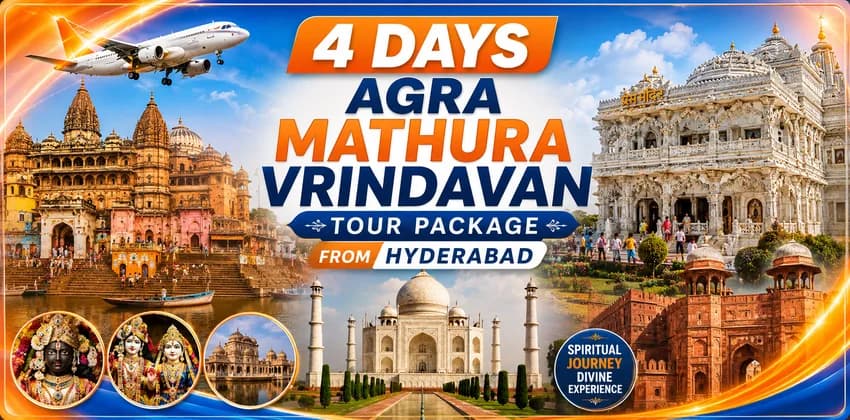
4 Days Agra Mathura Vrindavan Tour Package from Hyderabad
2 Days Agra Mathura Vrindavan Tour Package
3 Days Mathura Vrindavan Tour Package from Hyderabad