📌 QUICK ANSWER
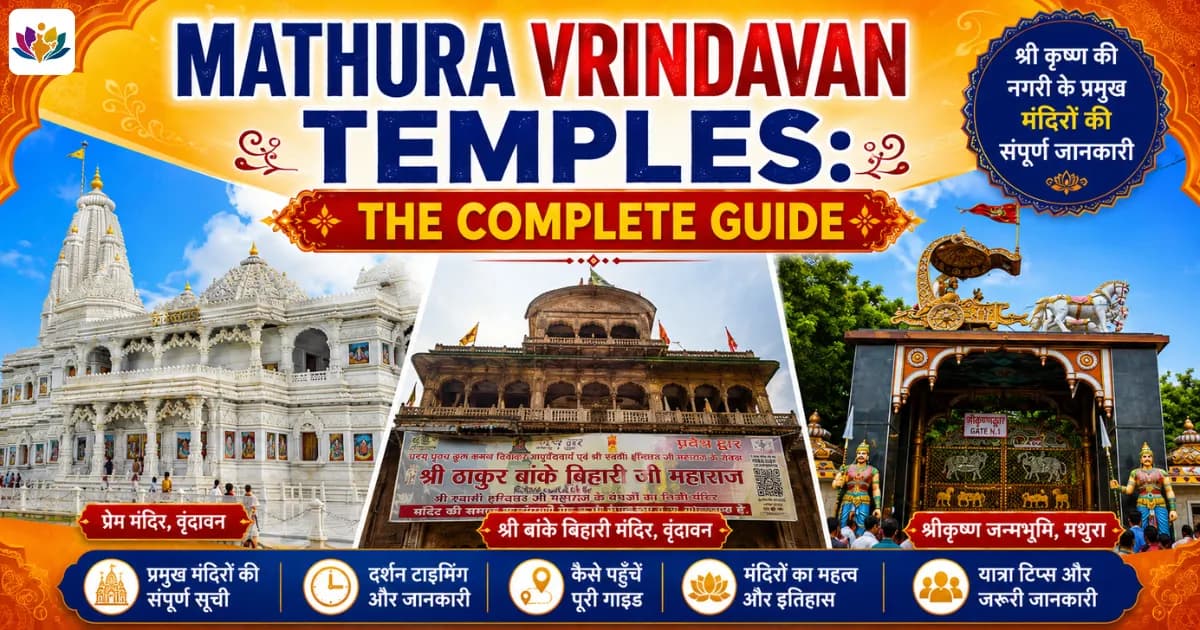
Mathura and Vrindavan together hold thousands of temples, but a first visit really centres on a handful: Krishna Janmabhoomi, Dwarkadhish and Vishram Ghat in Mathura, and Banke Bihari, Radha Raman, Radha Damodar, ISKCON, Prem Mandir, Nidhivan and Keshi Ghat in Vrindavan. Almost all darshan is free, the temples open in the morning and evening with a long midday break, and timing your visit around those windows matters more than anything else.
Key takeaways
Start with the core, not the full list. A handful of temples gives a complete first visit.
Mathura is the birthplace, Vrindavan is the devotional heart, and they are about 12 to 15 km apart.
Darshan is almost always free. There is no genuine VIP pass at Banke Bihari, and no daily Mangala Aarti there.
Open mornings and evenings, closed midday. Plan travel and food into the midday gap.
Confirm exact timings on the day, as they shift by season, tithi and festival.
People ask me for a list of the temples of Mathura and Vrindavan, and I always smile, because there are more than anyone could see in a lifetime. Vrindavan alone is said to hold thousands of shrines, from grand marble complexes to tiny lanes where a single deity has been served for five hundred years. So the real question is not how many temples there are, it is which ones to visit, in what order, and how to do it with reverence rather than a checklist. I am Gurudutt, born in Gokul, and I have guided pilgrims through these temples since 2018. Here is the honest, complete overview, with links to the deeper guide for each temple. To have your darshan planned around the right windows, message WhatsApp +91 7302265809, or see our Mathura Vrindavan tour packages.
Mathura temples and Vrindavan temples: the difference
It helps to understand what each town is. Mathura is the birthplace of Krishna, an ancient, busy city on the Yamuna, where the temples are tied to his birth and early story. Vrindavan, about 12 to 15 km away, is the land of his childhood leelas and the devotional heart of Braj, where the temples are about love and longing for Radha and Krishna. Most pilgrims do both, with the birthplace in Mathura and the bulk of the darshan in Vrindavan.
The temples of Mathura
Krishna Janmabhoomi, the Shri Krishna Janmasthan. The exact birthplace of Krishna, in the prison of Kansa. The most historic and most heavily guarded site, with no phones or bags allowed inside. For timings, entry rules and the full visit guide, see Krishna Janmabhoomi Mathura timings and darshan.
Dwarkadhish temple. The grand and ornate principal temple of Mathura town, beautifully decorated, with lovely festival celebrations. Best in the morning before the midday close.
Vishram Ghat. The chief ghat on the Yamuna, where Krishna is said to have rested after slaying Kansa, and the site of a moving evening aarti. The starting point of the Mathura parikrama.
The temples of Vrindavan
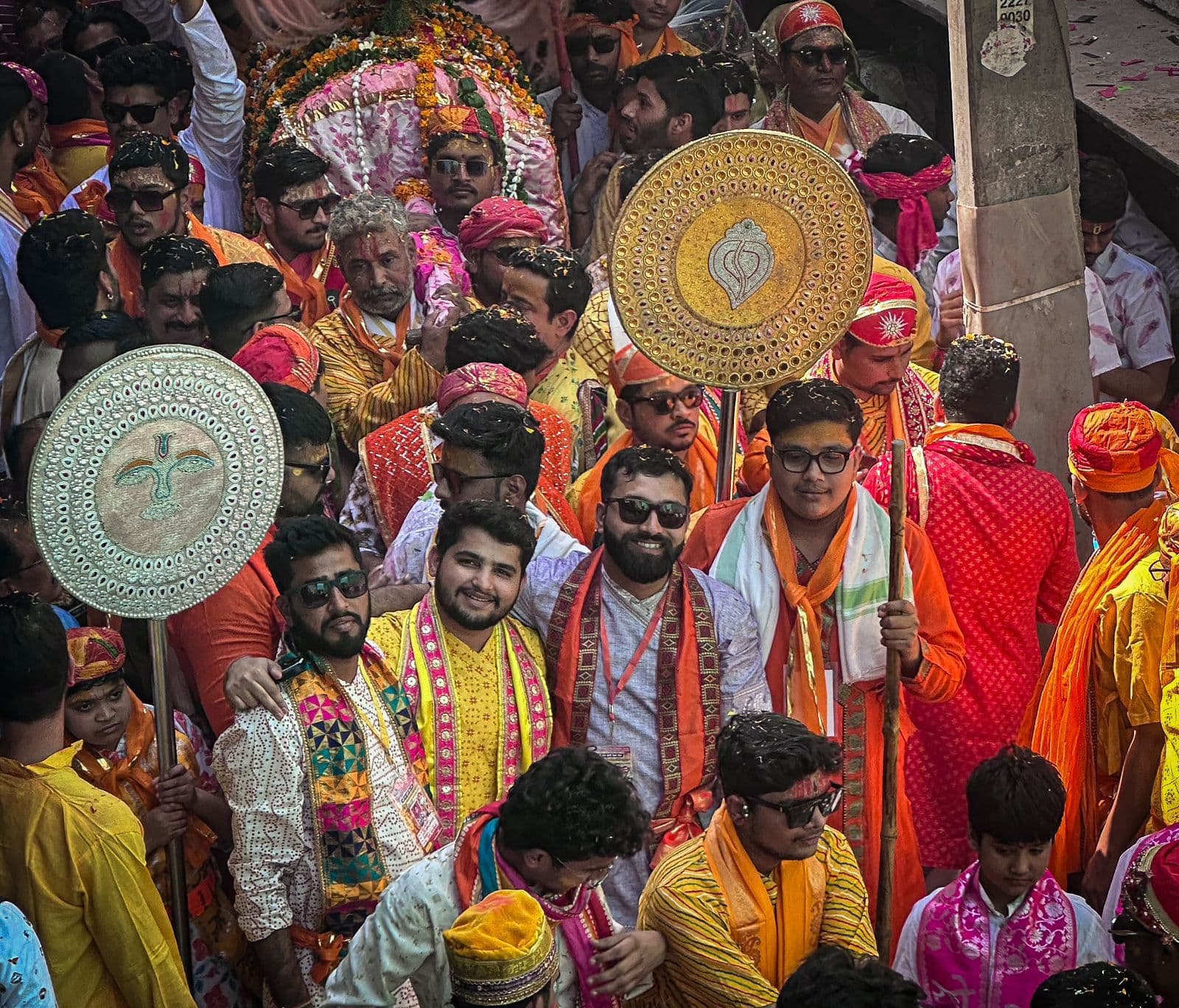
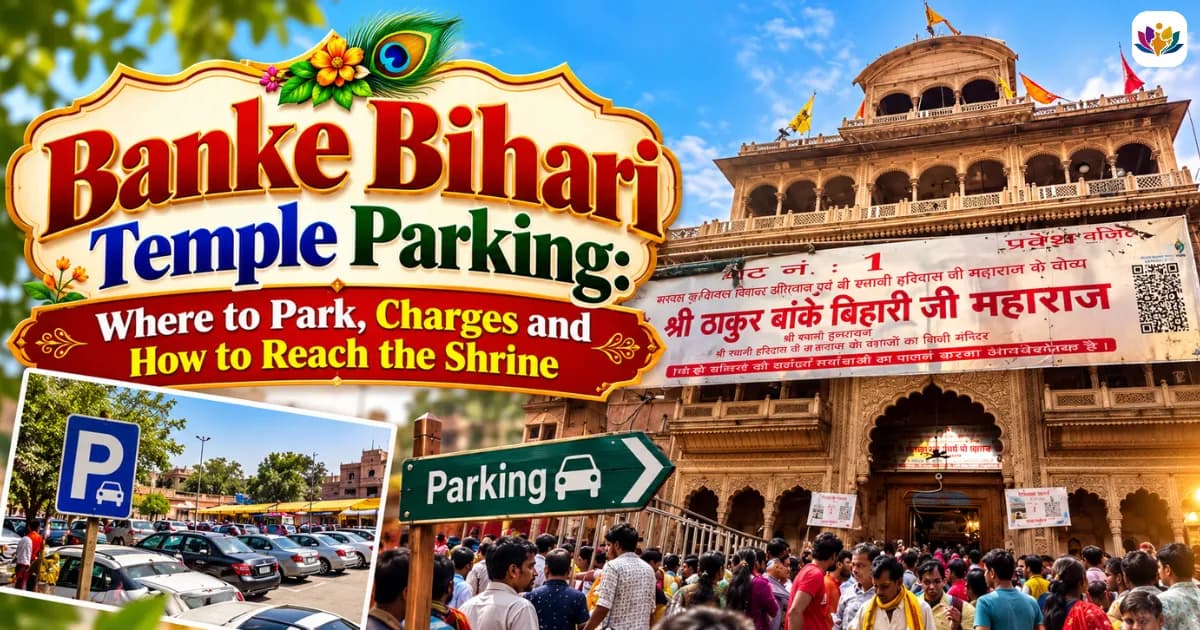
Banke Bihari. The most beloved and most crowded temple in Vrindavan, self manifested to Swami Haridas, served without bell or conch. The curtain is drawn every minute or two so the gaze is never fixed too long.
Radha Raman. One of the most sacred, where the original self manifested deity has never been moved and the akhand dhuni, the sacred fire, has burned since 1542. A jewel of the old town.
Radha Damodar. A small, intensely devotional temple linked to the Goswamis, beloved of those who walk its parikrama.
ISKCON Krishna Balaram. Calm, well organised and welcoming, with beautiful kirtan and gardens, a gentle introduction for first time visitors.
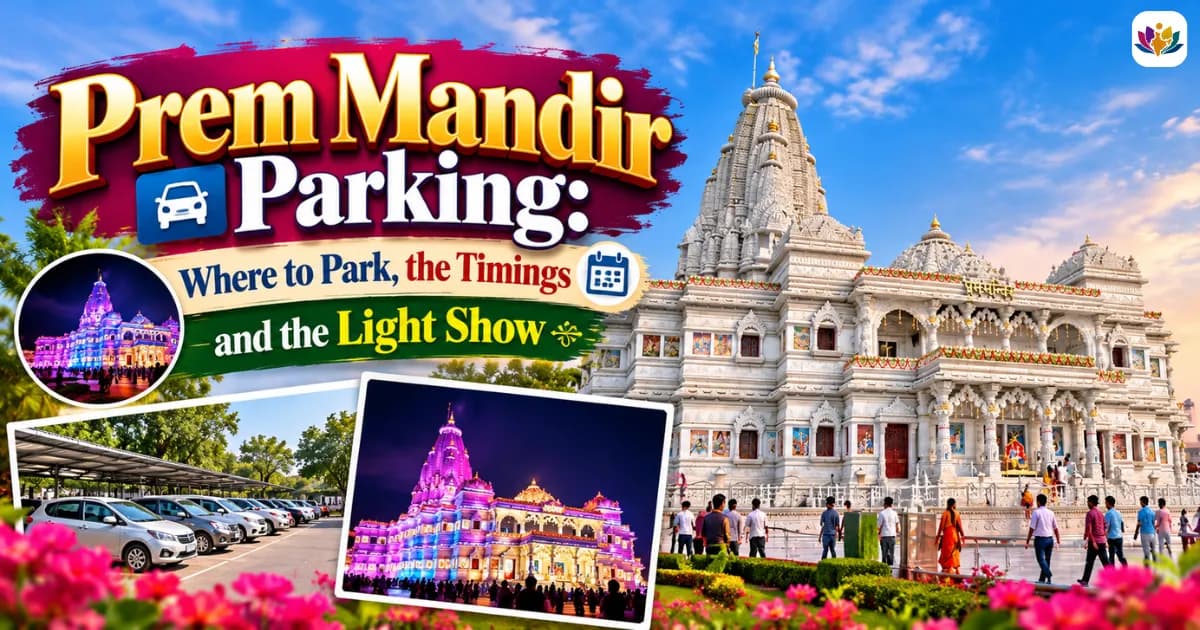
Prem Mandir. The vast modern marble temple that glows under lights after dark, with depictions of Krishna's leelas, best visited in the evening.
Nidhivan. The mystical grove that closes strictly after dark, tied to the belief in the nightly raas leela. For the opening time and the full story, see Nidhivan opening time and darshan.
Keshi Ghat. The most beautiful ghat in Vrindavan, where Krishna slew the Keshi demon, with painted havelis behind the river and a luminous evening Yamuna aarti.
For the wider list of places with stories, see 15 places to visit in Mathura Vrindavan.
The darshan pattern: timings that matter
Almost every major temple here follows the same rhythm: a morning opening with aarti, the deities dressed and offered through the morning, a long midday break, and an evening session with aarti before the night closing. The midday gap is the single thing first time visitors get wrong, arriving from Delhi or Agra at noon to find the gates shut. Plan your travel and lunch into the midday closure, and keep darshan to the morning and evening. Exact hours shift by season, tithi and festival, so confirm them on the day. Each temple's own guide carries its specific window.
Honest truths every pilgrim should know
This is what sets an honest local apart from a glossy listing, so read it before you go.
Darshan is free. Across Mathura and Vrindavan, temple darshan costs nothing.
There is no official VIP or special darshan pass at Banke Bihari. Anyone selling one is a tout. Go early instead.
There is no daily Mangala Aarti at Banke Bihari, only on rare festival days, so do not pay anyone promising a daily one.
Govardhan is circled, never climbed. The hill is worshipped as Krishna himself, with a vehicle parikrama for the elderly.
At Radha Kund, beware touts who steer you to a lesser tank for a fee. Go with someone who knows the genuine one.
Radha's birthplace is held by both Barsana and Raval. Both are honoured, and a good guide does not pretend the matter is settled.
Agree auto and e-rickshaw fares in advance, and keep donations to the official temple counter, never to a person promising special access.
Cars cannot reach the inner temples. You park at the perimeter and finish on foot or by e-rickshaw through the narrow lanes.
How many temples to visit, and in what order
You cannot, and need not, see them all. A sensible shape:
In one day: the Mathura core, Janmabhoomi, Dwarkadhish and Vishram Ghat, plus Vrindavan's main temples, Banke Bihari, ISKCON and Prem Mandir.
In two days: add the quieter Vrindavan jewels, Radha Raman, Radha Damodar and Nidhivan, and the Govardhan parikrama.
In three days: add Barsana, Nandgaon and an unhurried Gokul.
For how to fit this to your days, see how many days you need, and to sequence the towns, the Mathura Vrindavan Gokul Barsana map.
How to reach the temples
Mathura Junction is the main railhead, with Vrindavan about 12 to 15 km on. Delhi is about 150 to 160 km and Agra about 70 to 75 km by road. Within the towns, the inner lanes are walked or covered by e-rickshaw, since cars stop at the perimeter. See our Mathura Junction to Vrindavan guide, or book our taxi service for a driver who knows the lanes and parking.
Best time to visit
October to March is the most comfortable season for temple hopping. April to June is hot, so favour early morning and evening, and the monsoon is humid but green and devotional. Janmashtami and Holi are the most powerful times to be here, and also the most crowded, so book well ahead. For the month by month picture, see the best time to visit Mathura Vrindavan.
Plan your temple darshan
The temples reward reverence over speed. Choose a handful, come early, dress modestly, keep your phone away inside the shrines, and let the darshan settle before you move on. Pair the towns sensibly, plan around the midday break, and confirm each temple's timing on the day.
Want your temple darshan planned around the windows?
Tell me your dates and group, and I will choose the right temples, sequence them around the morning and evening openings, and arrange the car and the lanes so you never arrive at a closed gate. WhatsApp +91 7302265809 · 8 AM to 9 PM daily · 4.5 stars from 204 Google verified reviews · Based in Gokul, Mathura.
Plan Your Mathura - Vrindavan Temple Trip Today 📞 +91-7302265809 💬 WhatsApp: +91-7302265809 Packages start from ₹1,999/ person | Rated 4.5★ / 204+ Reviews Explore all: Mathura Vrindavan Tour Packages Jai Shri Krishna 🙏 |
Gurudutt — Born & Raised in Braj Bhoomi
Guiding pilgrims through Mathura & Vrindavan since 2018 · 50,000+ pilgrims served