
Discover Sacred Journeys & Divine Stories
Explore temples, pilgrimages, and spiritual stories from Mathura, Vrindavan, Ayodhya and across India. Plan your divine journey with our expert guides.
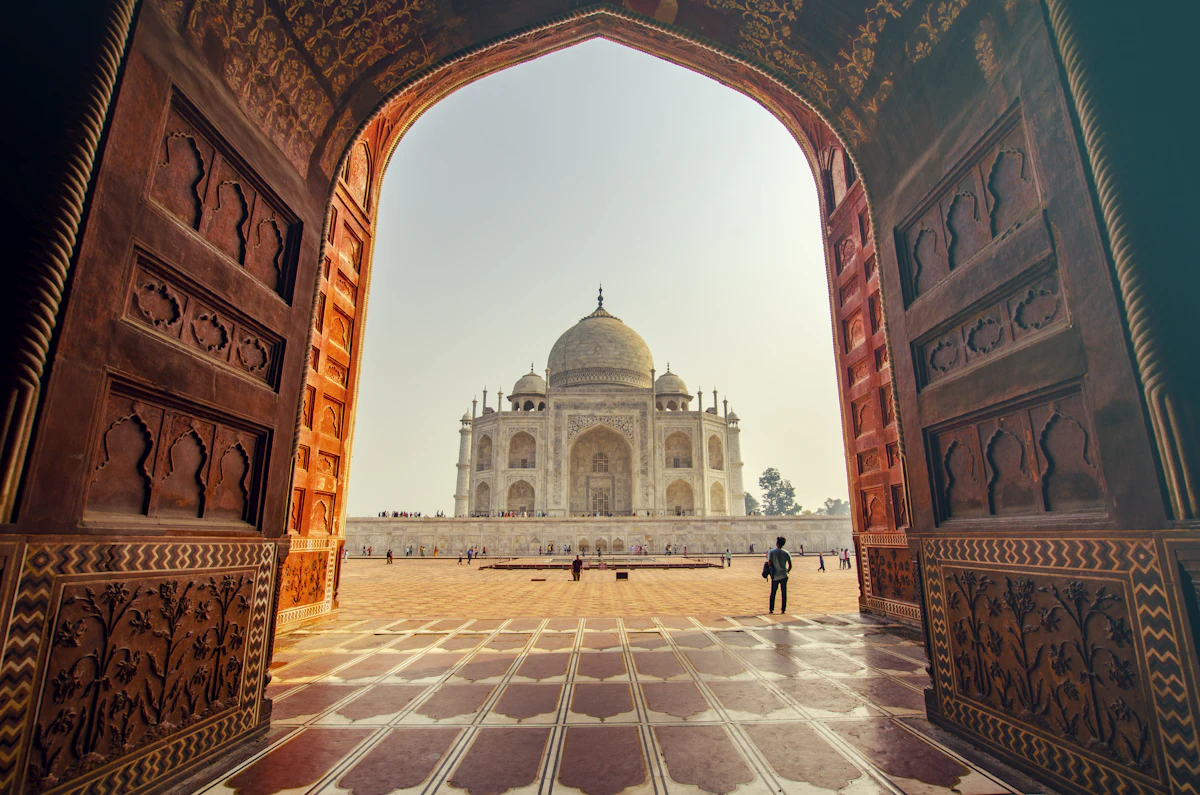
Plan Your Visit
Plan Your Spiritual Journey Today
Get personalized travel guidance, hotel bookings, taxi services, and temple darshan assistance — all in one place.
Latest Blogs
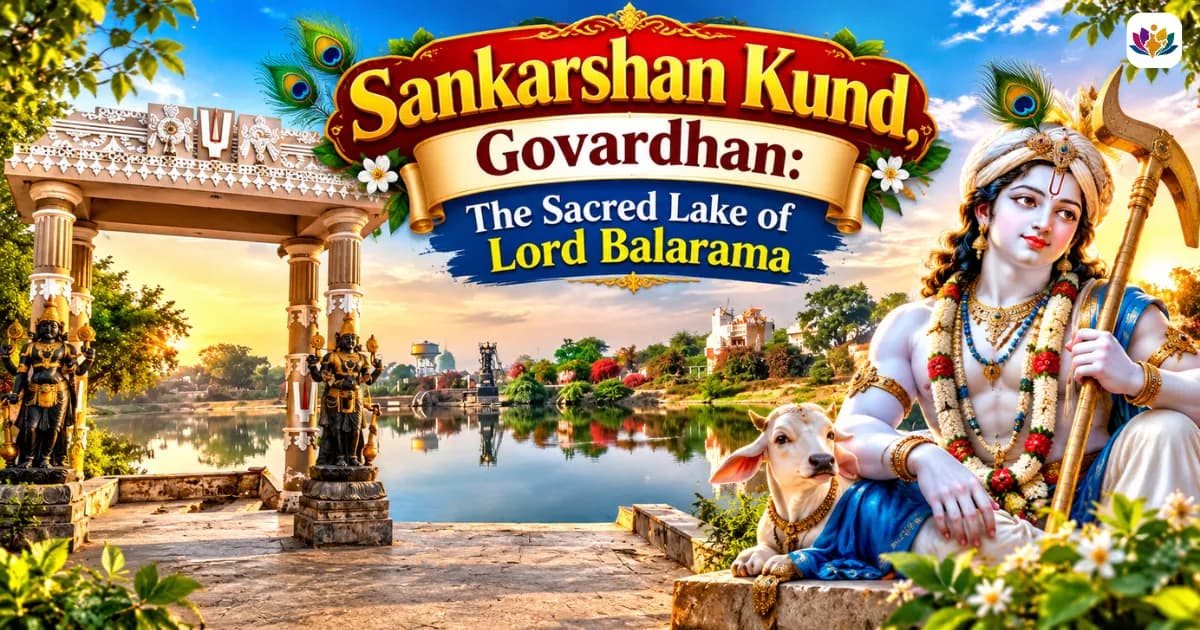
Sankarshan Kund, Govardhan: The Sacred Lake of Lord Balarama
Sankarshan Kund is a sacred heritage pond at Anyor village, on the Govardhan Parikrama Marg near Govardhan hill, in the Mathura district. It is dedicated to Lord Sankarshan (Balarama, Baldev or Dauji), Krishna's elder brother; a holy dip here is believed to cleanse even major sins. A black-stone idol of Dauji, found in the kund, was installed, tradition says, about 5,000 years ago by Vajranabh, Kr...
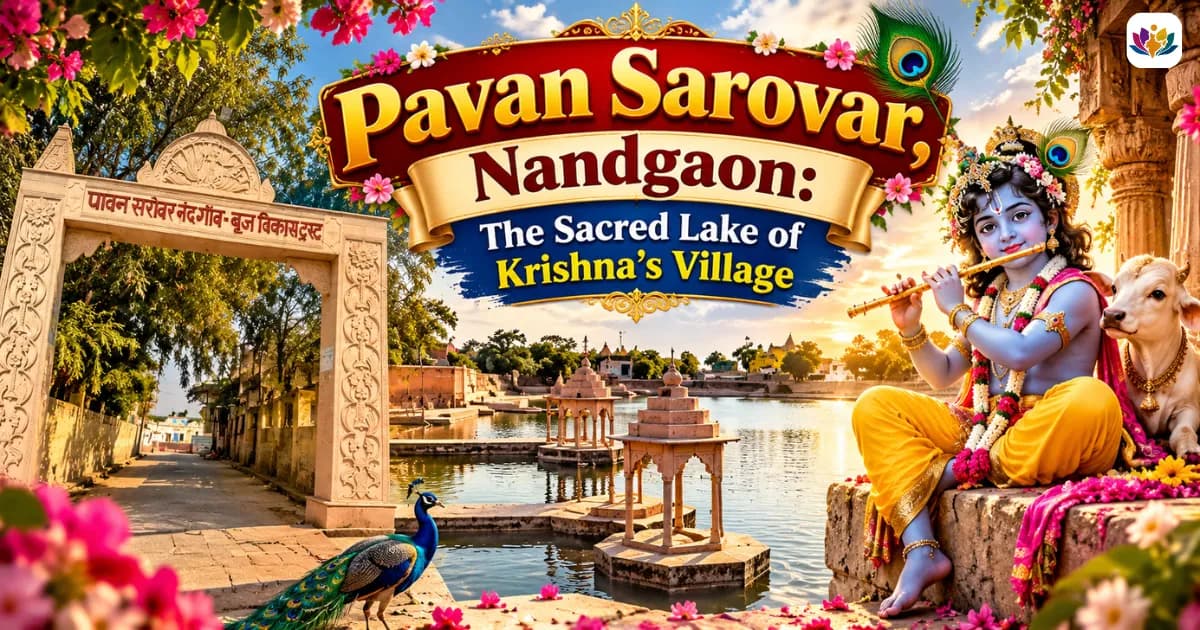
Pavan Sarovar, Nandgaon: The Sacred Lake of Krishna's Village
Pavan Sarovar is a sacred lake at Nandgaon (Krishna's village), in the Mathura district, just north of the Nandishwar hill, on the road towards Kamyavan (Kaman). Its name means 'the purifying lake' and a holy dip here is believed to cleanse all sins. Krishna watered his cows and played here as a child; and by legend, the King of Tirthas (Prayagraj) himself came here to be cleansed. On its bank sta...
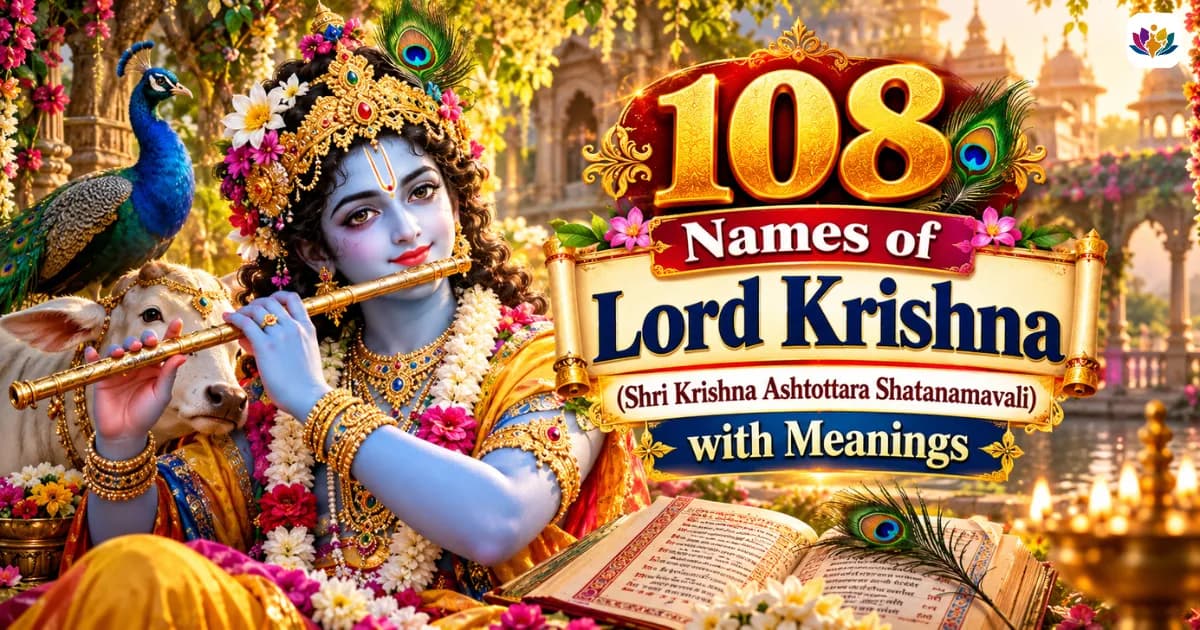
108 Names of Lord Krishna (Shri Krishna Ashtottara Shatanamavali) with Meanings
The 108 names of Lord Krishna (the Shri Krishna Ashtottara Shatanamavali) are a beloved set of divine names, each revealing an aspect of the Lord, from Achala (the immovable) and Achyuta (the infallible) to Govinda, Murlidhar (the flute-holder) and Shyamsundar. The full list is given below in Hindi (Devanagari) and English, with meanings. Chanting them is a cherished act of devotion. To visit the ...
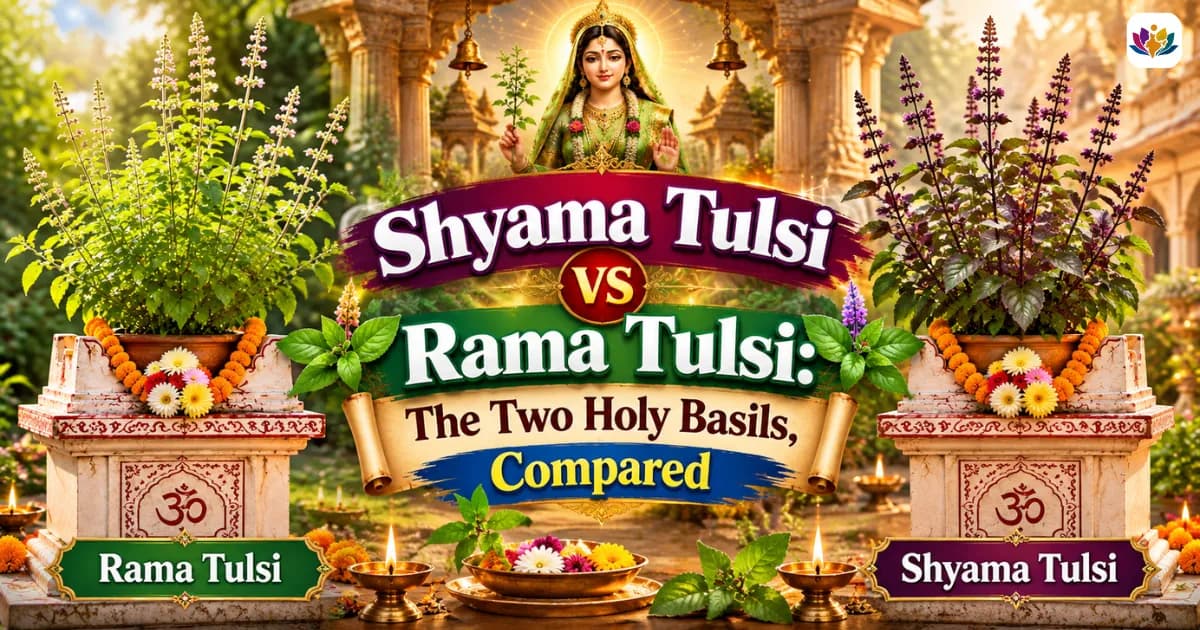
Shyama Tulsi vs Rama Tulsi: The Two Holy Basils, Compared
Shyama Tulsi and Rama Tulsi are the two main types of holy basil. Rama Tulsi (green leaf basil) has light green leaves, a milder, sweeter taste and is used for everyday worship and general wellbeing; it is linked to Lakshmi and Vishnu. Shyama Tulsi, also called Krishna Tulsi, has dark green to purple-black leaves, a sharper, peppery taste and is preferred in Ayurveda for stronger remedies; it is n...
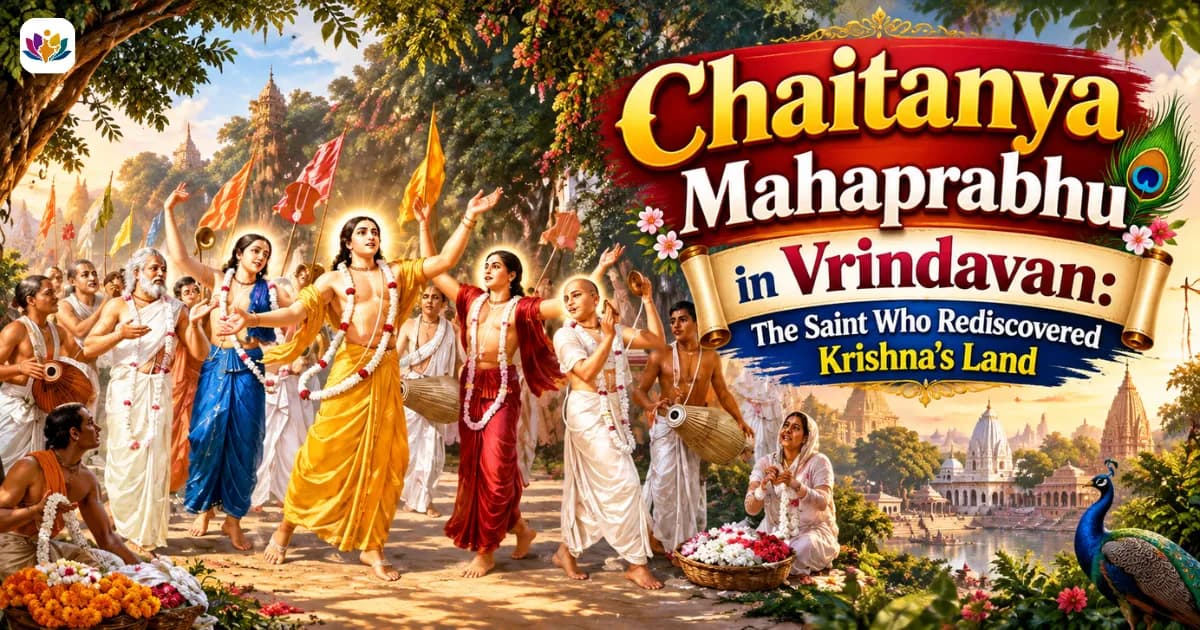
Chaitanya Mahaprabhu in Vrindavan: The Saint Who Rediscovered Krishna's Land
Sri Chaitanya Mahaprabhu, the great 16th-century saint of Bengal and founder of the Gaudiya Vaishnava tradition, visited Vrindavan in 1515, arriving around Kartik Purnima. By his spiritual insight he rediscovered the sacred sites of Krishna's pastimes that had been lost over time, including Radha Kund and Shyam Kund at Govardhan and sites like Imlitala and Akrura Ghat. He then sent his chief disci...

Vrindavan to Saharanpur Distance: Routes, Driving Time, Trains and the Best Way to Travel
The distance from Vrindavan to Saharanpur is about 312 to 329 km, roughly 4.75 hours by road. The fastest route runs via the Yamuna Expressway and NH 344G, about 312 km in around 4 hours 46 minutes. Note that the plain NH 344G route, though a little shorter, is much slower at around 6 hours, so take the expressway route. A car is the most flexible and the train is a comfortable alternative. To arr...
Vrindavan to Nainital Distance: Routes, Driving Time and the Best Way to Travel
The distance from Vrindavan to Nainital is about 317 to 389 km, roughly 8 hours by road. Interestingly, the shortest routes (via Nainital Rd or NH 509, about 317 to 329 km) are actually slower, at around 8.5 to 9 hours, while the longer NH 9 route (about 389 km) is the fastest, at around 7 hours 51 minutes, on better roads. A car is the easiest way, as the last stretch climbs into the hills. To ar...

Vrindavan to Manali Distance: Routes, Driving Time and the Best Way to Travel
The distance from Vrindavan to Manali is about 664 to 698 km, roughly 12 hours by road. The fastest route runs via NH 44 through Delhi and Chandigarh, about 664 km in around 11 hours 49 minutes. It is a long, partly mountainous drive, so most travellers do it as an overnight journey or break it at Chandigarh. To arrange your Braj darshan before you head to the mountains, call or WhatsApp +91 73022...
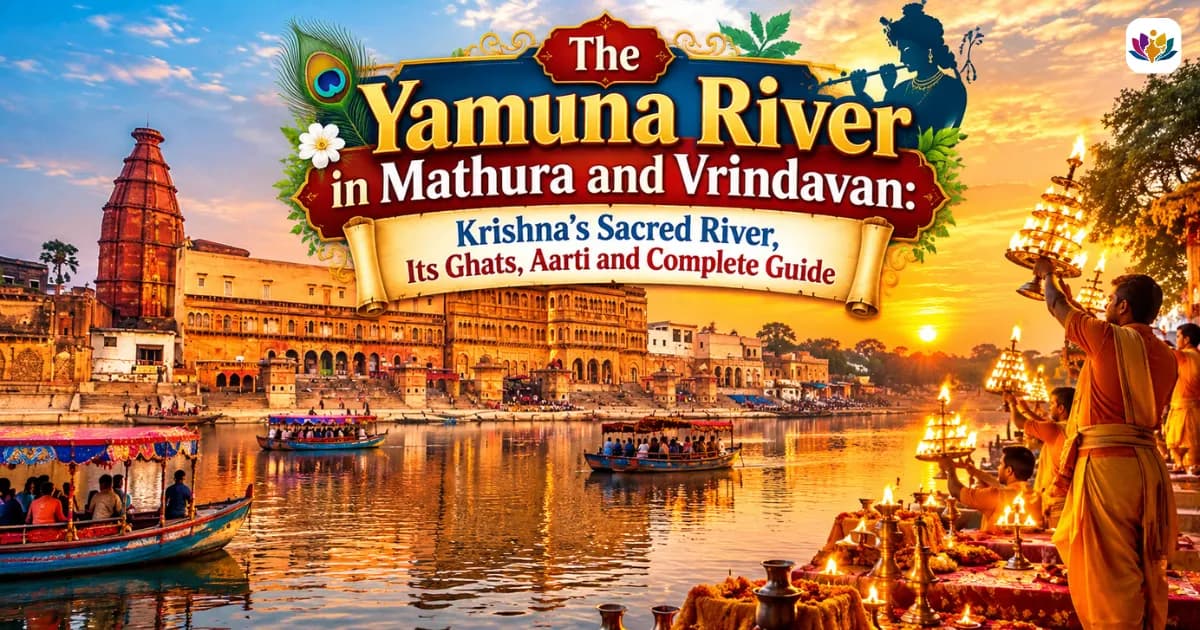
The Yamuna River in Mathura and Vrindavan: Krishna's Sacred River, Its Ghats, Aarti and Complete Guide
The Yamuna is the sacred heart of Mathura and Vrindavan, revered not merely as a river but as Yamuna Maharani, a living goddess, the daughter of the Sun God Surya and sister of Yama and the eternal witness to Krishna's childhood leelas. Krishna was born on her banks, played and herded cows by her waters and subdued the serpent Kaliya in her depths. Her most sacred ghats are Vishram Ghat in Mathura...
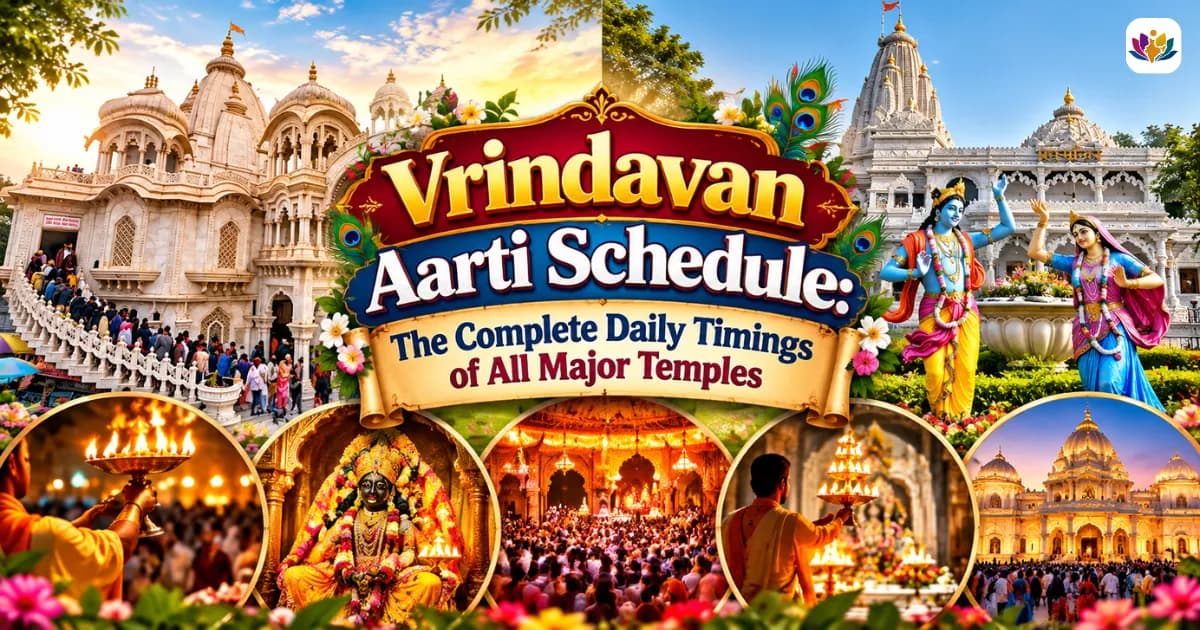
Vrindavan Aarti Schedule: The Complete Daily Timings of All Major Temples
Vrindavan's major temples follow strict seasonal daily aarti schedules, with a set of aartis through the day and a firm afternoon closure when the deities rest. This comes from the tradition of Ashtayama Seva, the eightfold daily worship. Because the timings differ by temple and by season and shift between summer and winter, it helps to plan a morning darshan track and an evening one around the mi...
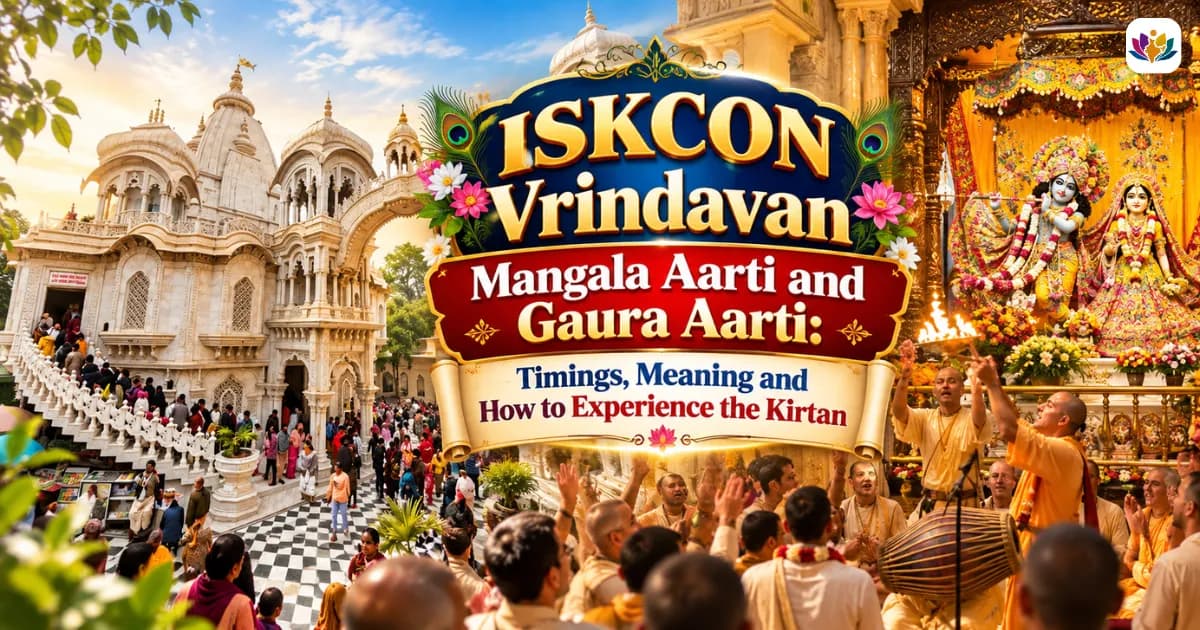
ISKCON Vrindavan Mangala Aarti and Gaura Aarti: Timings, Meaning and How to Experience the Kirtan
At ISKCON Vrindavan, the Sri Sri Krishna Balaram Mandir, the Mangala Aarti begins at 4:30 AM in the main temple, preceded by early prayers at Srila Prabhupada's Samadhi at 4:10 AM and the Gaura Aarti, the evening worship, takes place at 6:30 to 7:00 PM depending on the season. The Mangala Aarti is the first and most auspicious service of the day, sung with the Sri Gurvashtakam prayers; the Gaura A...
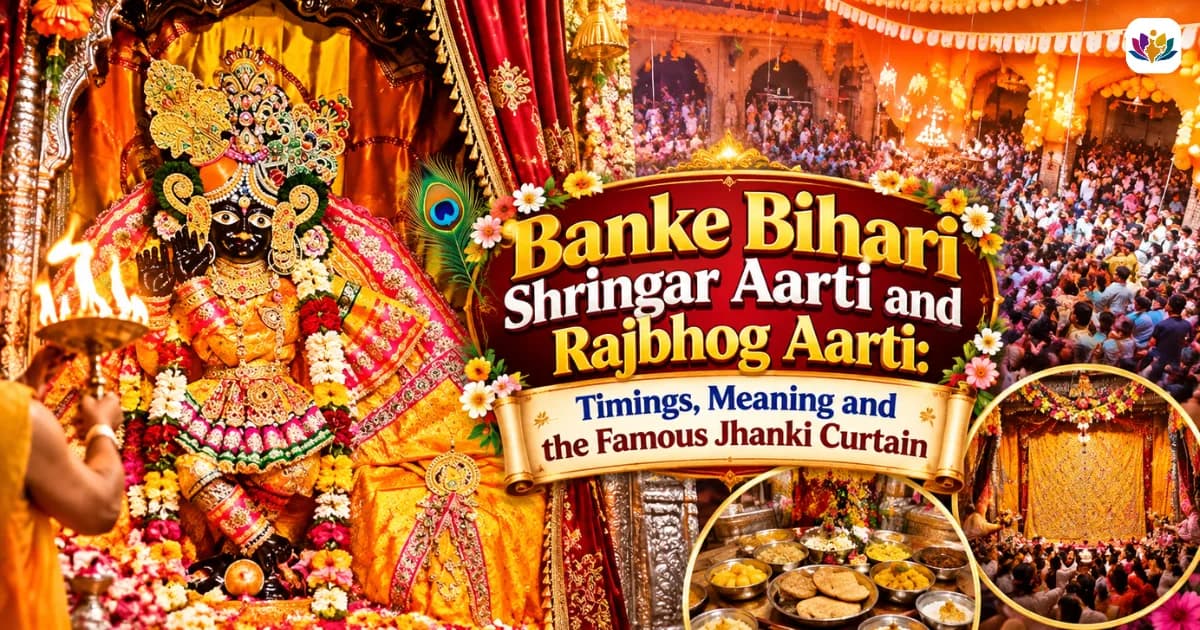
Banke Bihari Shringar Aarti and Rajbhog Aarti: Timings, Meaning and the Famous Jhanki Curtain
At the Shri Banke Bihari Ji Mandir in Vrindavan, the Shringar Aarti is offered in the morning, at about 8:00 AM in summer and 9:00 AM in winter, right after Thakur Ji is adorned with fresh flowers and jewels; the Rajbhog Aarti is offered around 12:00 noon, at the midday food offering, before the temple closes for its afternoon rest. Banke Bihari famously has no daily Mangala Aarti and it follows t...
Planning a Vrindavan Tour?
Experience My India includes Keshi Ghat sunrise, Yamuna Aarti, guided darshan and all local experiences in every package.
Packages from ₹4,999 per person · AC cab, hotel, guide included
Best Mathura Vrindavan Tour Packages
Discover the most loved spiritual journeys
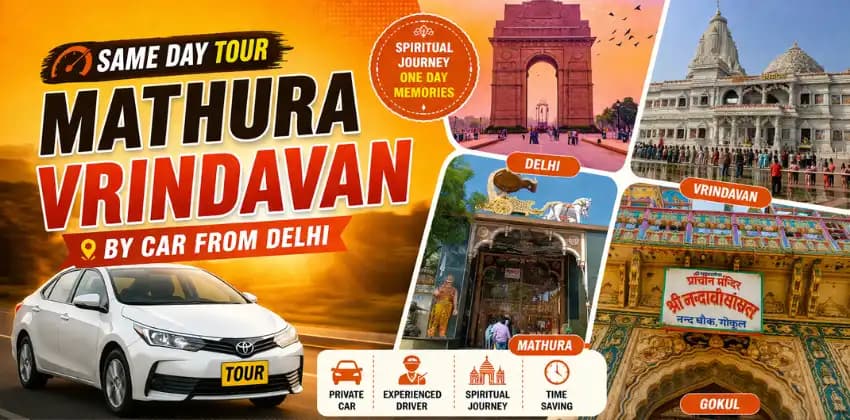
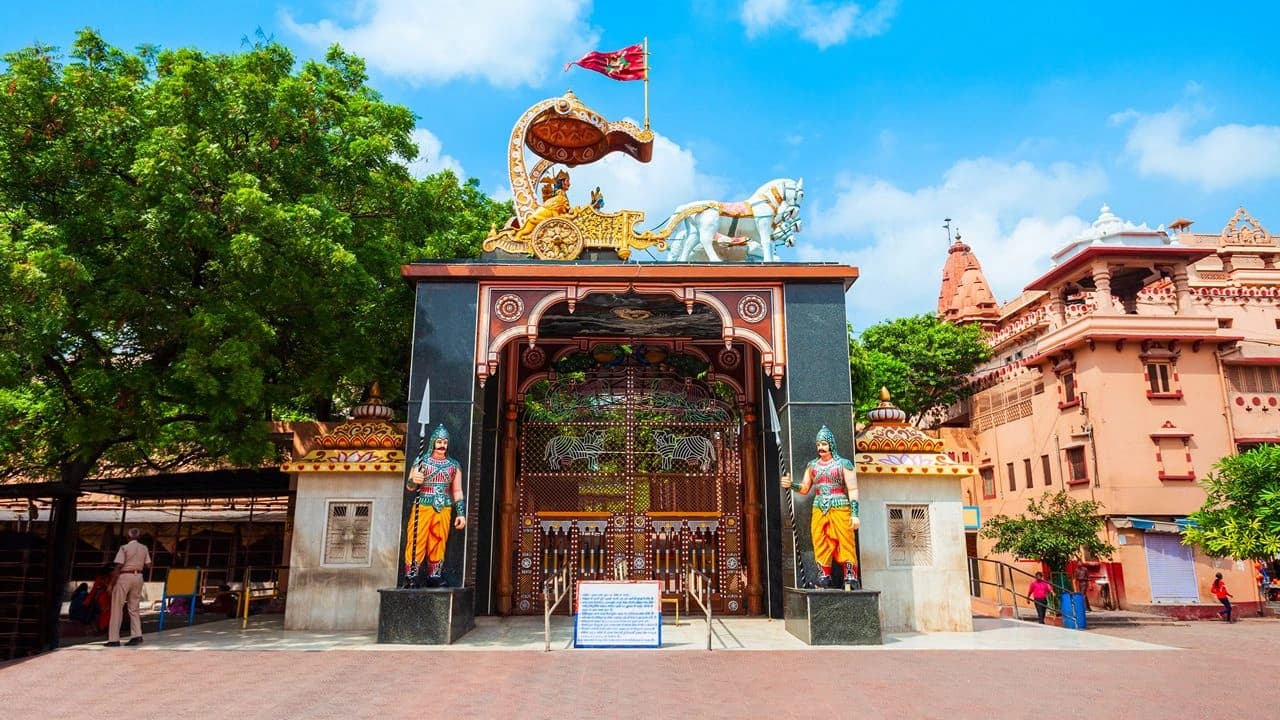
2 Days Agra Mathura Vrindavan Tour Package

3 Days Mathura Vrindavan Tour Package from Hyderabad

4 Days Agra Mathura Vrindavan Tour Package from Hyderabad
2 Days Agra Mathura Vrindavan Tour Package
3 Days Mathura Vrindavan Tour Package from Hyderabad